Why do so many couples get overwhelmed the moment they start planning?
Many couples jump straight to choosing destinations and resorts, then drown in options without any way to narrow them down. If you've spent time in destination wedding groups online, you've seen the pattern: 'We want a destination wedding but don't know where to start — any recommendations?' The problem with crowdsourced answers is that they reflect someone else's budget, guest list, and vision. Their advice only works if your situation matches theirs closely, and usually it doesn't — which just means more wasted time and more overwhelm.
There's actually a fairly linear path through this, and it starts well before you look at a single resort.

Step 1: Sort your guest list before anything else
Guest count drives almost everything else — cost, venue capacity, and date flexibility all depend on it. A simple way to sort your list:
- A's — must be there. Without them, it's not really your wedding.
- B's — important; you'll factor their dates and travel needs into your planning.
- C's — nice to have, but you'll move forward with your plans either way.
Check with your A's and B's early about their general availability before you commit to dates — give them your preferred timeframe and watch for real conflicts. Getting a total guest count from this exercise also sets up the next step.
Step 2: Set your real budget
Estimate honestly what you and your partner can spend, and have the conversation early with anyone else who might be contributing. A clear number here isn't just about limits — it's what makes your next decision, choosing dates, actually possible instead of guesswork. For a full breakdown of where destination wedding money actually goes, see our guide to how much a destination wedding costs.
Step 3: Pick your dates
Peak season means higher prices across flights, resorts, and packages; off-peak dates can meaningfully lower your total cost. Whatever you choose, give guests real notice — up to a year is ideal — so they can budget and request time off work without scrambling.
Step 4: Decide on kids, early
This decision affects your guest count and your resort options, so make the call early rather than letting it linger. If you want an adults-only wedding, you'll need an adults-only resort — which does lower your guest count, but may also mean some invited guests can't attend. If any of your A-list guests have children, have that conversation directly and early so everyone understands the plan before save-the-dates go out.
Step 5: Now you're ready to picture venues
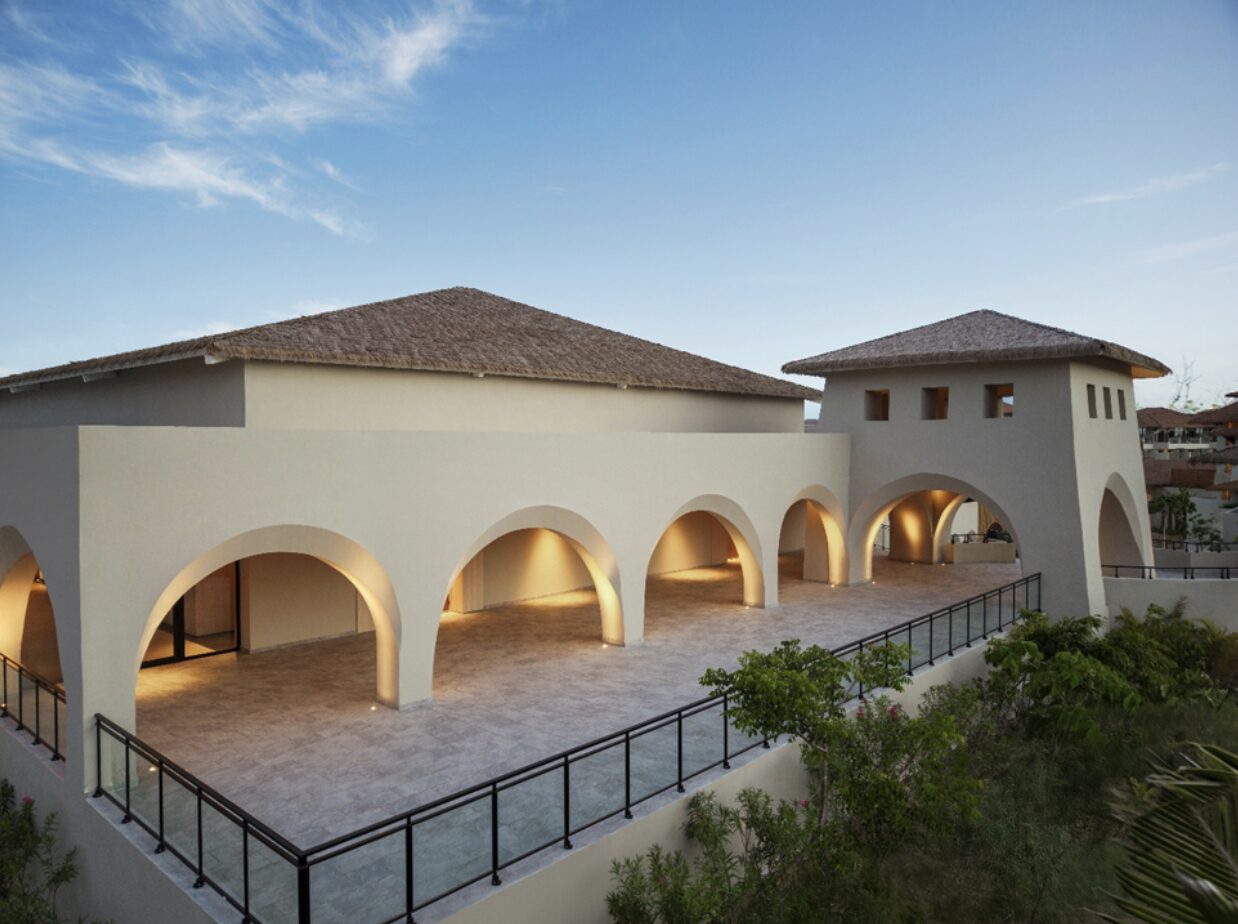
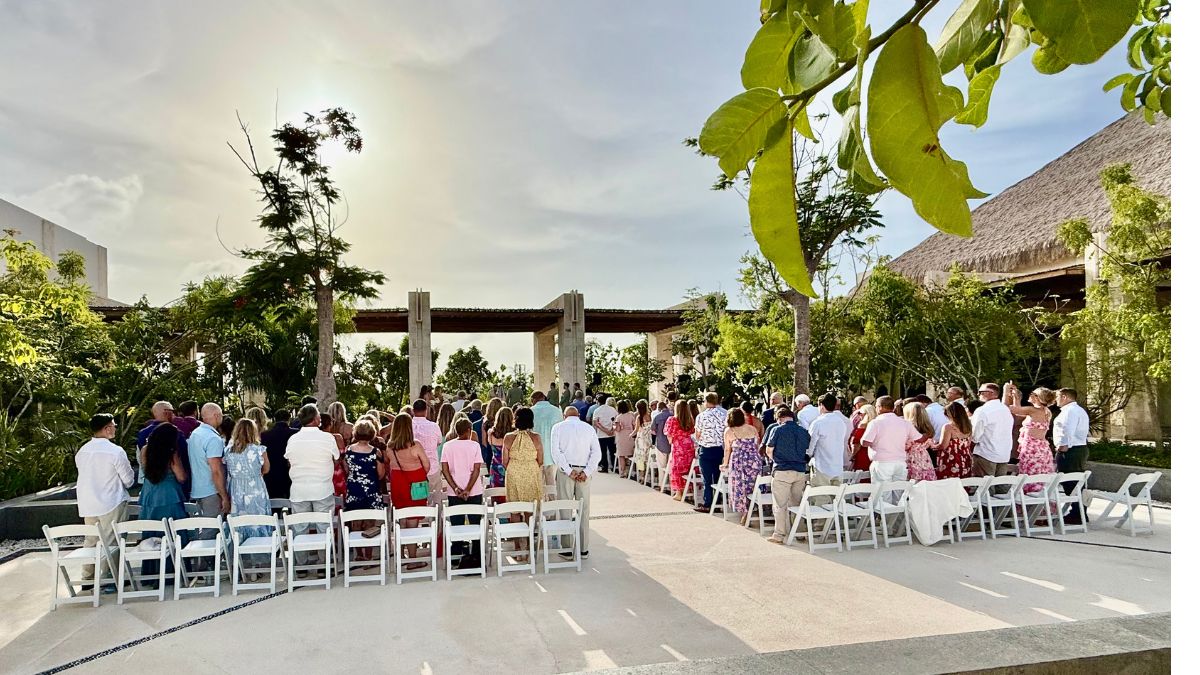
This is where the fun part actually starts — picturing your ideal ceremony and reception spaces, and looking for resorts with venues that genuinely fit your guest count and vision. If you're unsure whether to choose your resort or your specific venue first, that's worth thinking through deliberately rather than falling for the first beautiful photo you see.
Should you hire a wedding planner?
As you start planning, it's worth considering whether to bring in a dedicated planner. Most resorts include a wedding coordinator with their packages, but that person is primarily a venue coordinator — they handle logistics at their specific property. A dedicated travel advisor and planner works across the bigger picture: budgeting, resort comparison, vendor selection, and the guest experience as a whole. Those are genuinely different jobs, even though they can sound similar on paper. If you want to see what professional support looks like, our destination wedding packages break down the options side by side.

Shanna's Final Take
There really is a linear path through the early stages of destination wedding planning, and most of the overwhelm couples feel comes from skipping straight to resort browsing before making the decisions that should come first. Guest list, budget, dates, and the kids question — get those four settled, and choosing a venue becomes dramatically easier instead of paralyzing. For a clear look at who pays for what once those numbers are in place, see our guide to who pays for what at a destination wedding.
Honest verdict
- Best for
- Newly engaged couples who want a genuine starting order instead of an endless scroll through resort photos.
- Not ideal for
- Couples who already have a clear guest list, budget, and date locked in — if that's you, skip ahead straight to venue research.
- What I'd choose instead
- If you're feeling overwhelmed even with this order, that's exactly the point where a travel advisor earns their keep — getting a second set of eyes on your specific situation beats guessing from someone else's.
Frequently asked
What's the first step in planning a destination wedding?
Sort your guest list by priority before anything else — it drives your budget, venue capacity needs, and date flexibility more than any other decision.
How far in advance should we start planning a destination wedding?
12 to 18 months is the ideal window — it gives you time to compare venues, secure your date, and give guests enough notice to plan and budget.
Should we set a budget before looking at resorts?
Yes. A real budget makes your date and venue decisions much more concrete instead of comparing options you can't actually afford.
Do we need a wedding planner in addition to the resort's coordinator?
It depends on how much support you want. The resort's coordinator focuses on logistics at their specific property; a dedicated planner handles the bigger picture across budgeting, resort comparison, and vendor decisions.