What a room block actually is — and the biggest myth about it
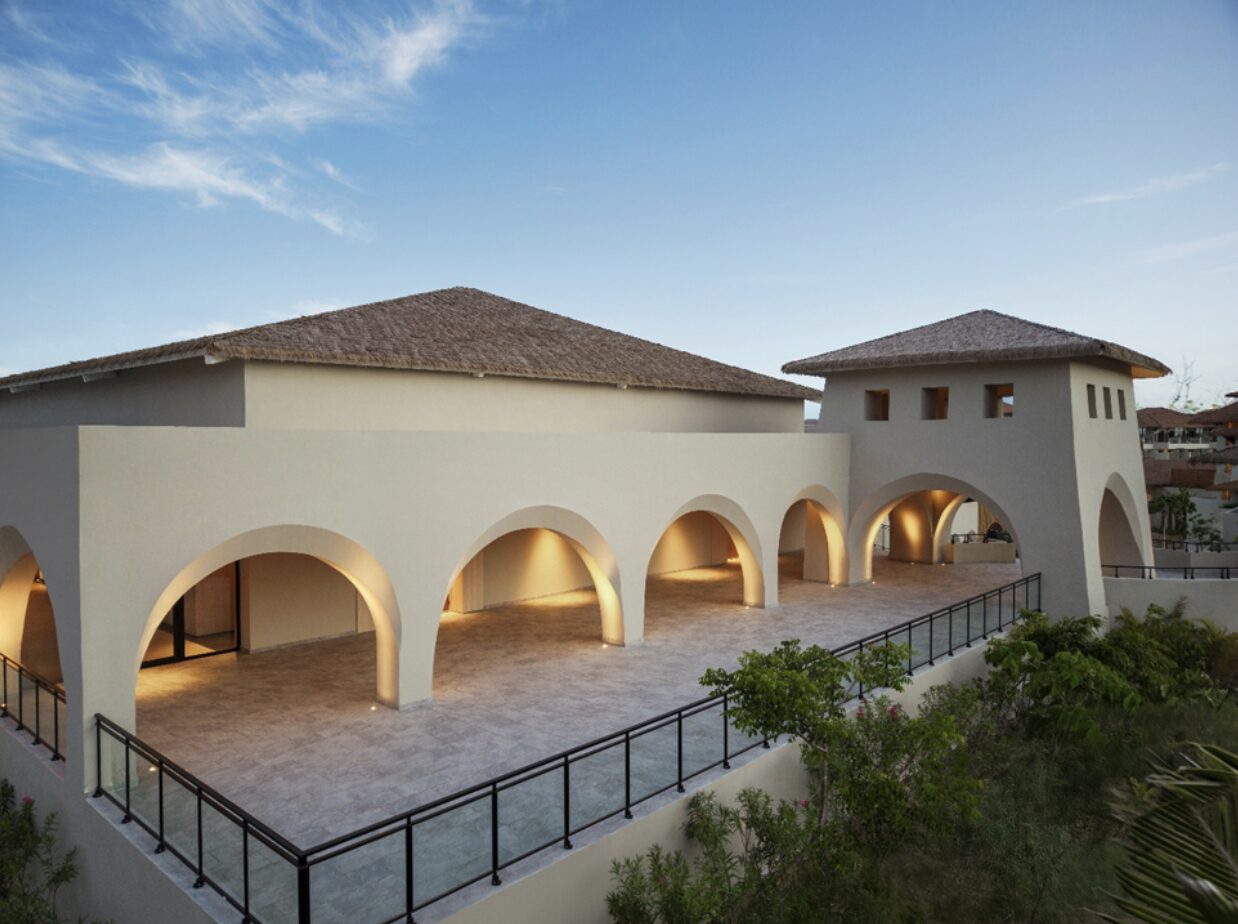
A room block means a set number of rooms are reserved for your group, usually at a discounted rate. What it does NOT mean: that your whole group will be placed together in one section of the resort. Guests check in and out on different days throughout your event window, and resorts are hosting many other guests simultaneously — physically placing an entire wedding group side by side is almost never possible.
Room category also spreads guests out. Guests choose different options based on budget and preference — ocean view, garden view, suites — and categories like ADA-accessible rooms or specific bed configurations are limited to certain buildings or floors. If proximity to friends matters to your guests, encourage them to book the same room category; even then, exact placement is never guaranteed. It's worth setting this expectation with guests early, since 'we're all staying at the same resort' quietly turns into 'why isn't my sister two doors down' if nobody explains it upfront.

Is a resort buyout the only way to guarantee guests are near each other?
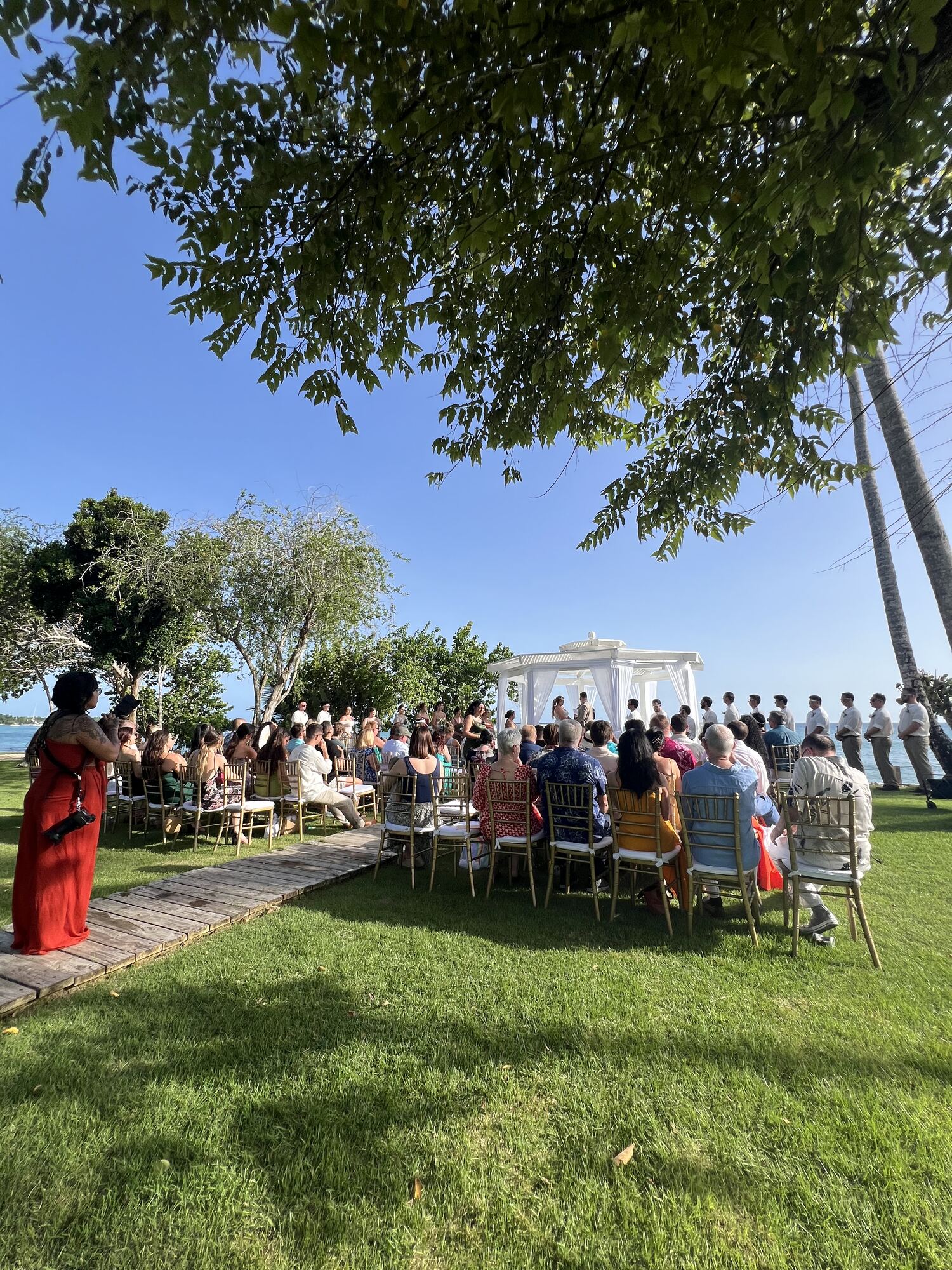
If having your whole group close together really matters, a resort buyout — renting all or part of the property — is the real solution, not a standard room block. It offers flexibility for custom events and lets you set your own rules for the space. Buyouts are genuinely pricier, but they're the right call for couples who want a fully private wedding experience. If you're considering one, plan on 18+ months of lead time to secure it and give guests enough runway to RSVP and book. Our group weddings guide walks through what larger bookings actually look like end to end.
Should you book a room block through a travel advisor or the resort directly?
It might seem simplest to call the resort yourself and book your group block. But resorts frequently partner with travel agents and tour operators who consistently deliver group bookings, rather than staffing their own call centers to handle it. Since agents only earn commission on confirmed bookings, resorts often reward that relationship with rates and perks that aren't available to someone booking directly.
Working with a knowledgeable advisor can mean group discounts from established volume relationships, better negotiated terms on your specific contract, and perks passed along to you — free upgrades, complimentary nights, or resort credits. Some couples also see complimentary or discounted airfare, free transfer upgrades, or charter flight discounts from select gateways, plus direct help with room assignments and guest logistics as questions come up.
What should you check in a destination wedding room block contract?
The right contract depends on your guest list size, budget, and priorities — but a few things are worth asking about regardless: cancellation policies, deposit requirements, and the deadline for guests to book into the block. Clear communication with your guests about these deadlines avoids a lot of last-minute confusion. Book early and stay flexible on dates where you can — off-peak or mid-week weddings often come with better pricing, and larger groups can sometimes unlock complimentary upgrades that wouldn't be offered to a smaller booking.
What happens if guests book their room outside the wedding block?
This is the detail that catches couples off guard most. Booking in the block guarantees a guest's spot at every private event — welcome parties, cocktail hours, group excursions. Resorts often charge per-guest for these functions, even at an all-inclusive property, and a guest who booked outside the block can face fees of $200 or more per event, or risk being left out of the event entirely.
It also affects the couple directly. Weddings run on precise headcounts — seating, catering, décor, and rentals are all planned around expected numbers. A handful of guests booking outside the block and showing up unexpectedly can mean extra chairs and tables, added meals and drinks, guests missing from allergy lists, or an excursion boat that suddenly isn't big enough — unbudgeted costs that can add up to $1,000 or more with very little warning.
There's also a support angle worth mentioning to guests directly: couples typically have a travel advisor or coordinator handling issues for anyone booked in the block — a flight change, a reservation glitch, whatever comes up. A guest who books outside that block loses access to that support and often ends up bringing the problem straight to the couple instead, at the exact moment they have the least bandwidth for it. For more on the etiquette side of this, see our guide to being the perfect destination wedding guest and who pays for what at a destination wedding.
How do you communicate room block details to guests clearly?
A few habits make this dramatically smoother: choose a resort with multiple room categories located near each other if guest proximity matters to your group, encourage guests to book early since placement odds improve the sooner they commit, and share booking deadlines and payment plans clearly so nobody's caught off guard. Explaining the practical difference between oceanfront and ocean-view categories (oceanfront sits closest to the beach; ocean view is usually set further back) also helps guests choose a category that actually matches what they're picturing.

Shanna's Final Take
Room blocks solve real problems — group rates, guaranteed access to your private events, and a layer of support for your guests — but only if people actually understand what they do and don't guarantee. The couples with the smoothest guest experience aren't the ones with the fanciest contract; they're the ones who explained the block clearly enough that nobody felt surprised by it.
Honest verdict
- Best for
- Couples who want group rates and guaranteed access to private events for their guests, and are willing to communicate the block's actual terms clearly rather than assuming everyone understands them.
- Not ideal for
- Couples whose top priority is guaranteeing every guest is placed physically next to each other — that requires a resort buyout, not a standard room block.
- What I'd choose instead
- If proximity really matters to your group, ask directly about a partial buyout rather than assuming a large enough room block will accomplish the same thing.
Frequently asked
Does a room block guarantee my guests will be near each other?
No. A room block guarantees a group rate and reserved availability, not physical placement. Resorts host many guests simultaneously and room category also affects placement — a resort buyout is the real way to guarantee proximity.
Is it cheaper to book directly with the resort or through a travel advisor?
Often a travel advisor gets better rates and perks, since resorts frequently reward agents who consistently deliver group bookings with pricing and benefits not available to individual direct bookers.
What happens if a guest books their room outside our wedding block?
They may face per-event fees (sometimes $200 or more) to attend private wedding events, and their booking won't count toward the group's headcount — which can create unexpected costs for the couple across catering, seating, and rentals.
How far in advance should we set up our room block?
As early as possible once your guest list and dates are set — and if you're considering a partial or full resort buyout for guest proximity, plan on 18+ months of lead time.