Can foreigners legally get married in Costa Rica?
Yes — foreign nationals can legally marry in Costa Rica without becoming residents first. For a marriage to be legally binding, it must be performed by a qualified Costa Rican notary public who is also an attorney. They review your documents, complete the legal marriage act, and register it with Costa Rica's Civil Registry. This isn't a situation where a friend gets ordained online and marries you on the beach — a loved one can still participate in the ceremony, share a reading, or lead your vows, but the legal portion has to go through the notary. Once registered, the marriage is generally recognized in the United States, though it's worth checking with your own state on requirements for name changes, insurance, or immigration paperwork using the certificate.
What documents do you need for a legal Costa Rica marriage?
Requirements vary by nationality and marital history, but couples generally need valid passports, certified birth certificates, apostilles for any documents issued outside Costa Rica, a sworn statement confirming you're both legally free to marry, divorce decrees or death certificates where applicable, certified Spanish translations of any English documents, and two witnesses with valid ID. An apostille is an international authentication typically issued through the Secretary of State in the state where your document originated. Don't assume your documents will work just because they're official — your notary may have specific formatting, timing, or translation requirements, so get that list early and follow it exactly. I'd start this process at least three to four months before your wedding date, earlier if either of you was previously married, born outside the US, needs replacement records, or lives in a state with slower apostille processing.
What does a Costa Rican notary actually do for a wedding?
Costa Rica's notarial system works differently than what most US couples expect. A Costa Rican notary public is a specially authorized attorney who can perform legal acts, including civil marriages. For your wedding, they review your documents beforehand, confirm you're legally eligible to marry, perform the civil marriage portion, prepare the marriage act, and register it with the Civil Registry. The legal portion can still sit inside a ceremony that feels completely personal — your own vows, music, readings, and setting — just with a few required legal elements woven in.
What is a symbolic wedding ceremony in Costa Rica?
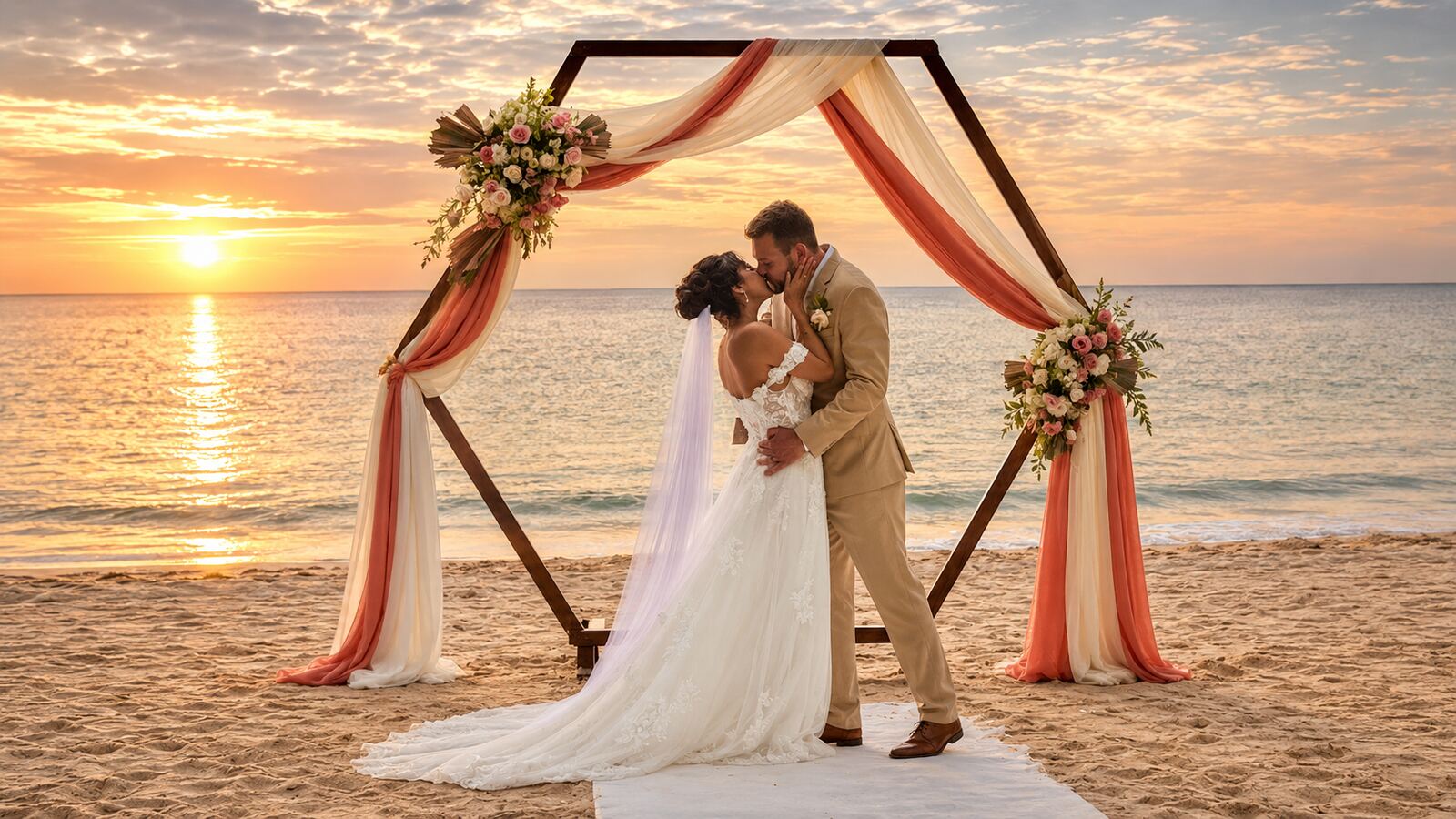
A symbolic ceremony is a wedding without the legal paperwork attached. Many couples handle a simple legal ceremony at home before or after their trip, then travel to Costa Rica for the celebration that actually feels like their wedding day — attire, vows, the aisle, family, sunset, dinner, dancing, all of it. Your guests never need to know when or where you signed the legal paperwork unless you want to tell them; the emotional commitment happens wherever you choose to make it. Going symbolic also means more flexibility in style, length, wording, officiant, and rituals, since none of it is bound by legal requirements.
Why do so many couples choose a symbolic ceremony?
It's practical. Marrying legally at home first means skipping apostilles, translations, document deadlines, and the risk that one missing piece of paperwork creates a problem right before the wedding. It also usually means a loved one can officiate, you can write your ceremony from scratch, and you can build in whatever religious or cultural traditions matter to you. The tradeoffs that come with going symbolic: less paperwork, fewer legal deadlines, more ceremony flexibility, lower legal and translation costs, and real peace of mind before you leave for the trip. None of that makes a legal Costa Rica marriage the wrong choice — some couples feel strongly about having Costa Rica listed as their official place of marriage, and that's completely valid. It just takes more advance planning.
Is a symbolic ceremony less real?
Not even slightly. A marriage certificate is legally important; your ceremony is emotionally important — those two things can happen on the same day in the same place, or entirely separately. I've watched couples have a quick courthouse ceremony at home with two witnesses, then stand in front of everyone they love in Costa Rica and exchange vows that had the whole group in tears. Nobody walks away thinking it was less real. The paperwork is one part of marriage. The promises, the people who show up, and the life you're choosing together are the bigger part.
Is same-sex marriage legal in Costa Rica?
Yes. Same-sex civil marriage is legal in Costa Rica, and the country is widely known as one of the more welcoming, inclusive destinations in Central America for LGBTQ+ couples and travelers, with no legal restrictions on same-sex relationships or events. As with any destination wedding, individual experiences can vary by venue and vendor, but the planning steps for a legal same-sex marriage are the same as for any couple: work with a qualified notary, confirm current document requirements for your nationality, and start early.
Legal marriage or symbolic ceremony — how do you choose?
Choose a legal Costa Rica marriage if it matters to you that Costa Rica is your official place of marriage, you're comfortable working through the document timeline, and you have enough planning time before your date. Choose a symbolic ceremony if you want the easiest planning path, complete freedom over your ceremony structure, would rather handle the legal paperwork at home, want a friend or family member to officiate, or just don't want translations and registration becoming part of your wedding week. Neither option is 'better' — I help couples choose the one that actually fits their priorities, not the one they think they're supposed to pick.
Where can you get married in Costa Rica?
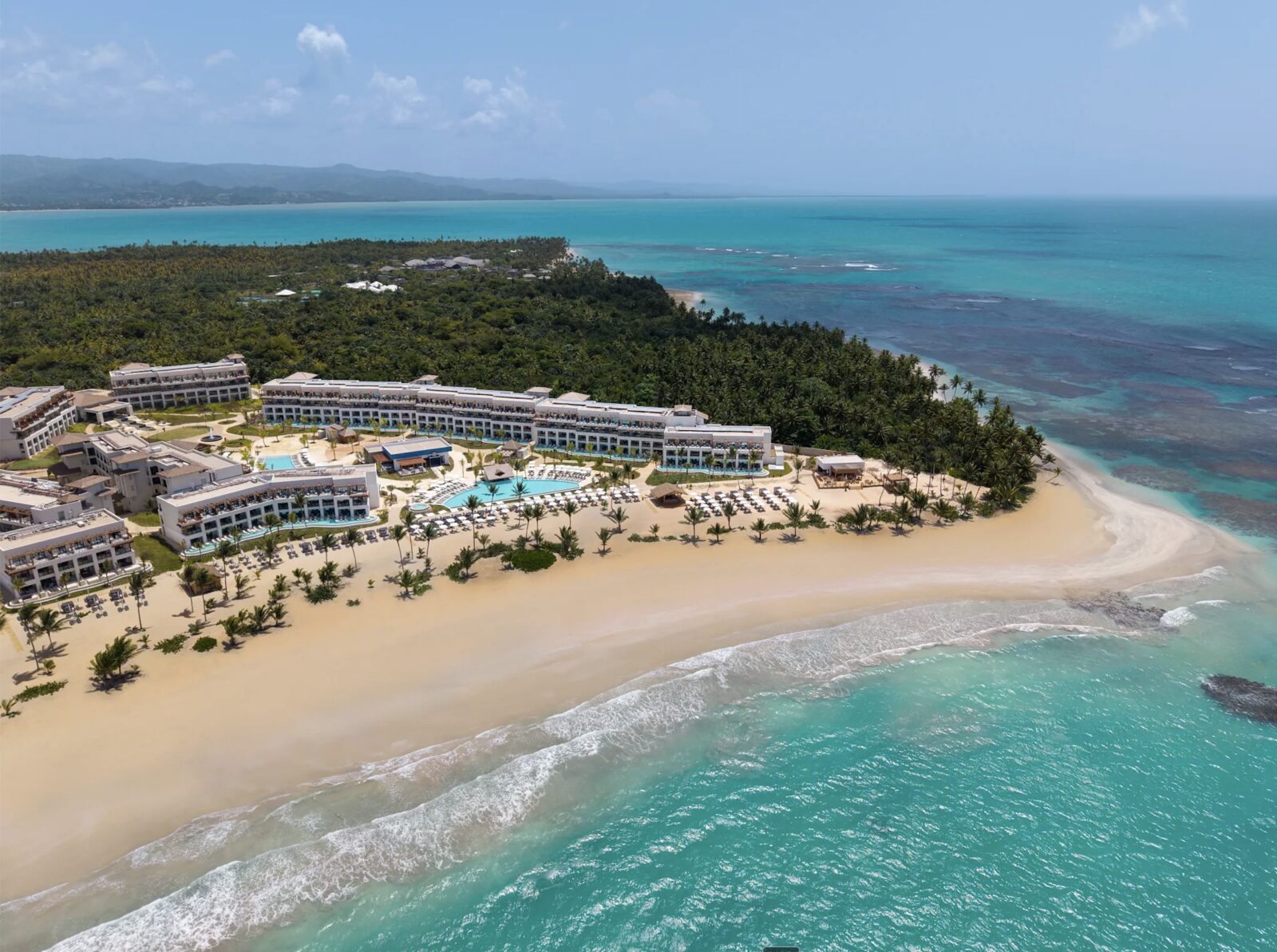
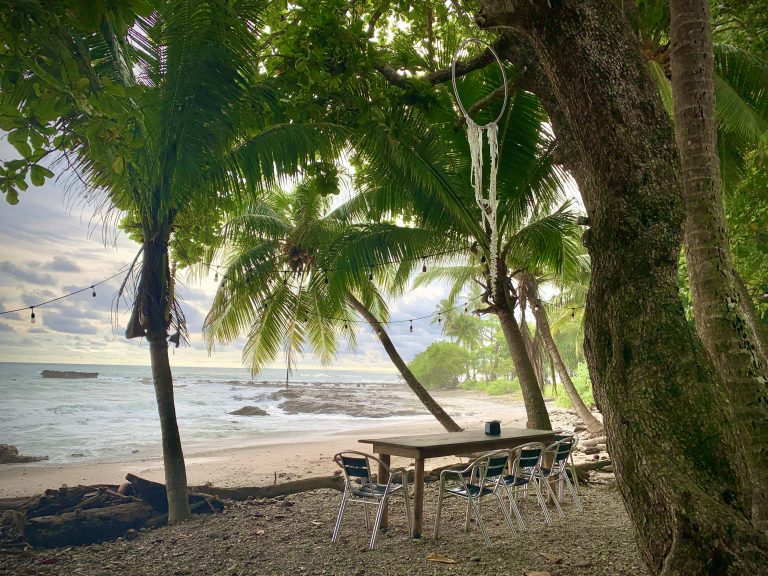
Costa Rica offers far more than one version of a destination wedding — a beach ceremony in Guanacaste, a jungle-view celebration near Manuel Antonio, a volcano backdrop in Arenal, or a more intimate private-villa wedding elsewhere in the country. Guanacaste is often the simplest choice for groups, thanks to access through Liberia International Airport and its concentration of wedding resorts. Manuel Antonio works beautifully for smaller, lush, boutique-style weddings. Arenal suits couples who want rainforest, hot springs, and a volcano backdrop instead of a beach. The South Pacific can fit couples wanting something more private and nature-forward.
How far in advance should you start planning?
For a symbolic ceremony, start your overall Costa Rica wedding planning about 12 to 18 months out — that gives you better access to resort availability, ceremony times, room block options, and guest travel rates. For a legal Costa Rica marriage, begin the document process at least three to four months before the wedding, and don't wait until your final planning months to ask what you need. The legal side isn't the place to wing it. Costa Rica is beautiful. Bureaucracy is bureaucracy everywhere.
How I help couples make this decision
This is one of the first planning conversations worth having, since it affects your timeline, budget, officiant choices, and how your ceremony gets built. My role isn't to push you toward legal or symbolic — it's to make sure you understand the real differences before you commit. We look at your wedding vision, guest count, destination, venue, comfort with paperwork, and what matters most to you emotionally, then choose the path that actually makes sense. If you'd like a walk-through of our all-inclusive wedding packages, that's a good next step.
Shanna's Final Take
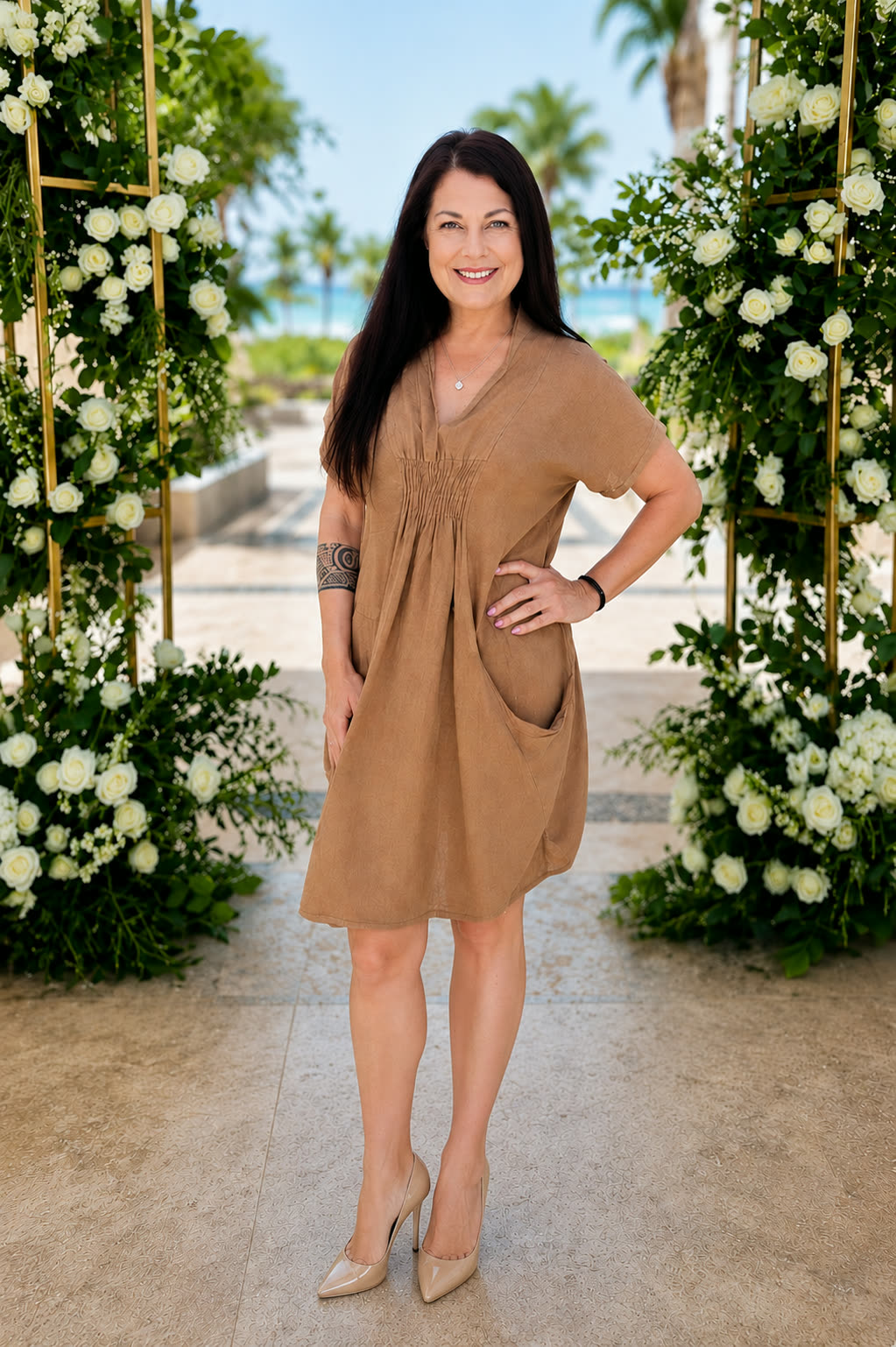
This is genuinely one of the first conversations I have with almost every Costa Rica couple, because so many people assume 'destination wedding' automatically means 'legal paperwork abroad' — and it doesn't have to. I've planned both ways, and I promise nobody at a symbolic ceremony has ever felt like it was less of a wedding.
Honest verdict
- Best for
- Couples who want total flexibility over their ceremony — choosing their own officiant, writing their own vows, skipping legal deadlines entirely — should go symbolic and marry legally at home.
- Not ideal for
- Couples on a tight planning timeline (under 4 months) who still want the marriage itself to legally happen in Costa Rica. That path is possible but not something to leave until the last minute.
- What I'd choose instead
- If having Costa Rica as your official place of marriage matters emotionally, it's worth it — just start the document process the same week you book your venue, not two months before the wedding.
Frequently asked
Can Americans legally marry in Costa Rica?
Yes. US citizens can legally marry in Costa Rica, provided they meet the current documentation and legal requirements.
Do we need a Costa Rican marriage license, like in the US?
Not exactly — Costa Rica uses its own civil marriage process rather than the US marriage-license system. A qualified Costa Rican notary handles the legal marriage act and registration.
Do we need to be in Costa Rica before the ceremony?
It depends on your notary, your documents, and your specific situation — your notary should confirm the required timeline. Symbolic ceremonies have much more flexibility here since there's no legal filing tied to the ceremony itself.
Do we need witnesses for a legal ceremony?
Legal ceremonies commonly require witnesses — confirm the exact number and ID requirements with your notary, and ask whether your venue or planner can help provide witnesses if needed. Symbolic ceremonies can include as many people as you want, but don't legally require witnesses.
Is it cheaper to have a symbolic ceremony?
Usually, yes — a symbolic ceremony avoids costs tied to legal coordination, official translations, apostilles, and notary services. The exact difference depends on your location and vendors.