How far in advance should you invite destination wedding guests?
Announce your date early — ideally at least 12 months out. That gives guests real time to request time off work, arrange childcare, plan their travel budget, and avoid double-booking personal travel over the same window. Early notice also lets people plan their own life events around your wedding rather than scrambling. It shows real consideration, and it's one of the biggest factors in getting a well-attended celebration.
What makes a resort truly guest-friendly for a destination wedding?
Don't assume your guests want the cheapest possible option. Think honestly about your guest list's usual preferences — if they typically choose nicer accommodations, a budget resort will disappoint them, and they won't especially care that it saved money if the trip felt uncomfortable. Offering moderate or upscale accommodations, if that fits your group, tends to pay off in how guests remember the trip: relaxing and joyful instead of stressful.


How do you set up a thoughtful room block for guests?
A room block gives guests time to book at good group rates, often with a low deposit — a genuinely considerate thing to set up. Don't only reserve the cheapest room category; offering a mix of room types means guests who want more comfort or luxury have that option too, and everyone can find something that fits their preference and budget. A travel professional can help strike that balance across your block. For more on how group travel fits together, see our groups & celebrations page.
Should you hire a travel advisor to help manage guest details?
Managing RSVPs, bookings, and a stream of guest questions can genuinely overwhelm a couple who's also trying to plan the wedding itself. A travel advisor can track RSVPs and deadlines, handle room bookings and guest changes, answer questions guests wouldn't think to ask, and generally free you up to actually enjoy your own wedding instead of running a help desk for it.
What travel and hotel info should you share with guests, and when?
Once you have a room block set up, get the details to guests right away — the hotel, nearby room options, and airport transfer information. Early notice here saves guests money (better flight prices, more room availability) and avoids last-minute stress on everyone's part.
How do you explain dress code and weather to destination wedding guests?
Is your wedding on a beach, in the mountains, or at a resort? Share the dress code and the weather guests should realistically expect. This is simple, practical information that lets guests pack smart and arrive feeling confident instead of guessing.
What should a destination wedding day-by-day schedule include?
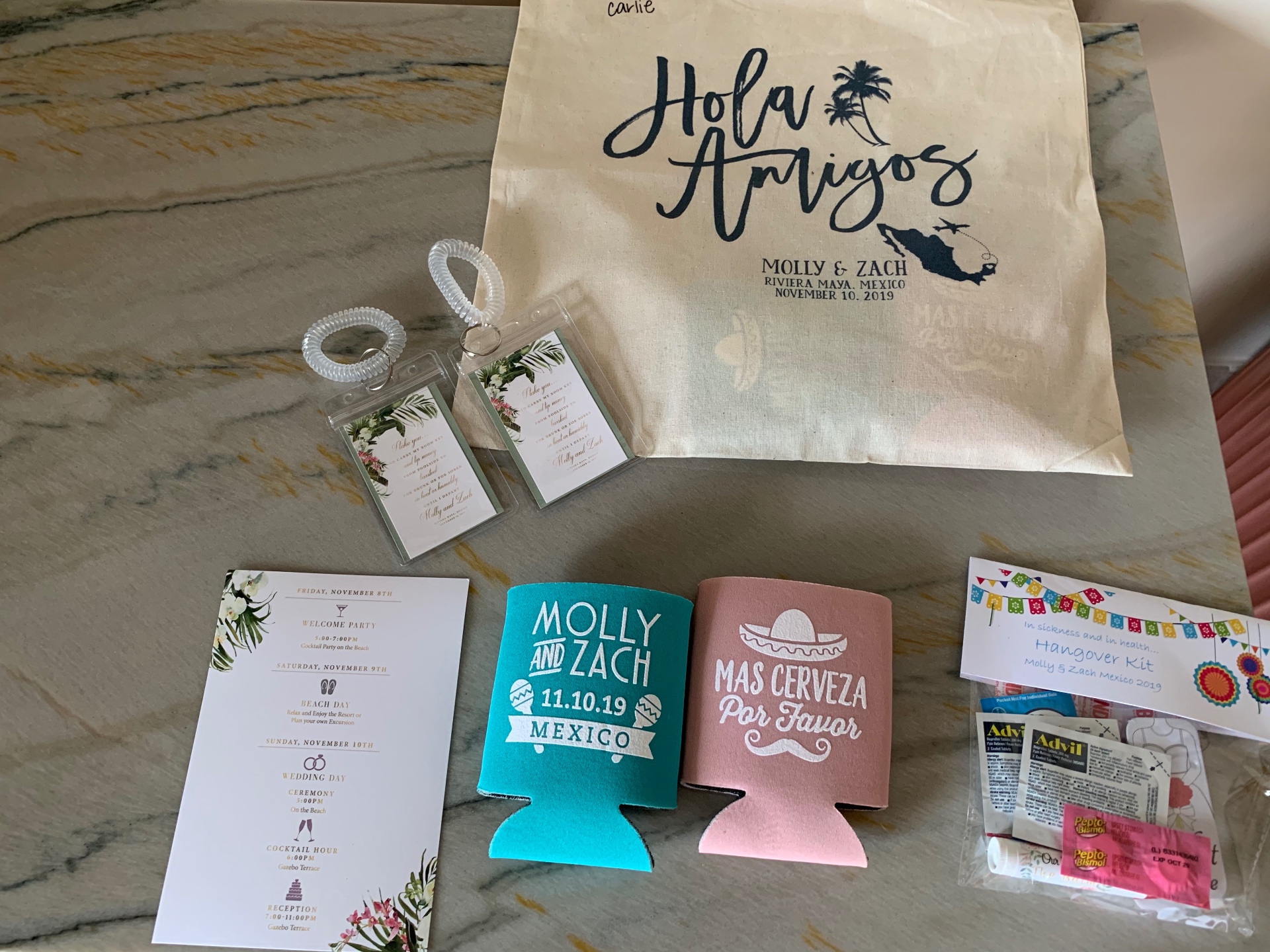
Guests appreciate knowing what's actually planned — share timing for the key events, like a welcome dinner, the ceremony, and a farewell brunch. Even a short outline helps guests relax into the trip and plan their own free time around the moments that matter.
What health and local-custom info do guests need before traveling?
Travel can bring health requirements or logistics guests haven't thought through — remind them about passports, travel insurance, or any recommended vaccines for the destination. If the country has cultural traditions or customs worth knowing, a brief explanation helps guests feel prepared and included rather than caught off guard.
Shanna's Final Take
Nearly every guest complaint I've ever heard traces back to one thing: information the couple assumed was obvious, but never actually said out loud. You don't need a fifty-page guest guide — you need four or five clear, early messages covering travel, dress code, schedule, and logistics. That alone puts you ahead of most destination weddings. For a guest's perspective on how to show up well, see our guide to being the perfect guest at a destination wedding.
Honest verdict
- Best for
- Couples willing to over-communicate slightly rather than under-communicate — guests almost never complain about getting too much clear information early.
- Not ideal for
- Couples who'd rather keep details loose and figure things out as the trip approaches — that approach tends to generate the most guest anxiety and last-minute questions.
- What I'd choose instead
- If building a full guest communication plan feels like a lot, start with just the room block and dress code — those two alone solve most guest confusion.
Frequently asked
How far in advance should we tell guests about our destination wedding?
At least 12 months, ideally. It gives guests real time to request time off, budget for travel, and avoid double-booking other plans.
Should we tell guests what to pack?
Yes — sharing the dress code and expected weather is one of the simplest, most appreciated things you can communicate early.
Do we need to hire someone to manage guest communication?
Not necessarily, but it genuinely helps. A travel advisor can track RSVPs, handle room block questions, and free you up to focus on the wedding itself rather than acting as a guest help desk.
What should we tell guests about local customs or health requirements?
Cover the practical basics — passport requirements, travel insurance, any recommended vaccines — and briefly explain any local traditions guests should know about.