Costa Rica has more than one wedding look
Costa Rica is small on a map, but it doesn't feel small once you start planning travel. One region gives you long beaches, major resorts, and a simple arrival day. Another means a longer drive, fewer large properties, and an entirely different week for your guests. That's not a bad thing — it just means the region has to fit your group.
A couple who wants a classic all-inclusive beach wedding isn't looking for the same Costa Rica as a couple who wants their guests zip-lining, soaking in hot springs, and watching a volcano. Here's the whole country at a glance:
| Region | Known for | Best fit for |
|---|---|---|
| Guanacaste | Pacific beaches, big all-inclusive resorts, Liberia airport access | Beach weddings, larger guest lists, easier logistics |
| Northern Plains (Arenal) | Volcano, rainforest, hot springs, waterfalls | Smaller adventurous groups who want an active week |
| Central Pacific (Manuel Antonio) | Beach and jungle together, wildlife, national park | Couples wanting both without changing locations |
| Central Valley | San José, coffee country, mountain culture | Couples wanting something local, cultural, and unexpected |
| Puntarenas | Monteverde cloud forest, Nicoya Peninsula, Blue Zone | Slower, boutique, wellness-focused trips |
| South Pacific | Jungle, waterfalls, Osa Peninsula, dramatic coastline | Intimate groups wanting wild and private |
| Caribbean Coast | Afro-Caribbean culture, laid-back pace, Tortuguero | Couples wanting a different culture and food scene |
Which Costa Rica region do most couples actually choose?
These three account for most of the Costa Rica weddings I plan, and they're the easiest to compare head to head.
Guanacaste is the most familiar — Pacific beaches, large all-inclusive resorts, luxury properties, and access through Liberia International Airport. It's often the smartest starting point for a bigger guest list, because there are more resort options at more budget levels. One approach a lot of my couples take: an all-inclusive in Guanacaste for the first four nights so the wedding week is easy on guests, then move on to another region afterward for the more adventurous part of the trip. Best of both worlds.
The Northern Plains around La Fortuna and Arenal are for couples who want Costa Rica to feel like Costa Rica — rainforest, volcano views, hot springs, waterfalls, and views that don't look like every other destination wedding on Instagram. It's roughly a three-hour drive from either San José or Liberia. My advice: build in a night near the airport after arrival rather than landing tired and immediately starting a long drive. Then make the journey part of the trip — stop for breakfast, viewpoints, a relaxed lunch.
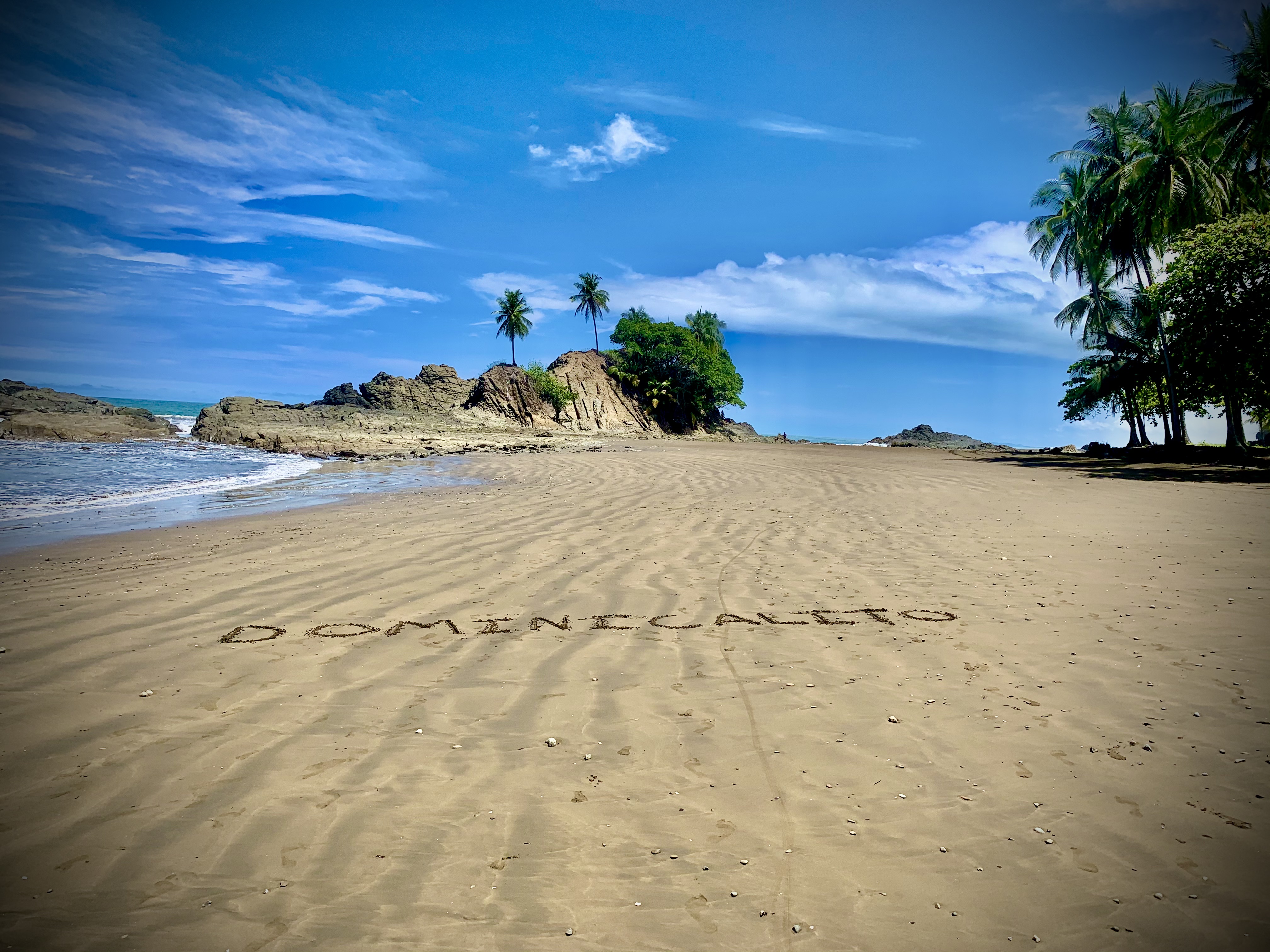
The Central Pacific — Jacó through Quepos, Manuel Antonio, and toward Dominical — is what I consider the sweet spot for couples who want beach and rainforest without relocating. You can wake up surrounded by jungle, see wildlife, spend the afternoon at the beach, and book waterfalls, zip-lining, rafting, and national park excursions from one base. Yes, Manuel Antonio has gotten touristy. There's a good reason people go.
One honest note on Jacó: it's the closest beach town to San José, and I understand choosing it to minimize drive time. But couples often pick convenience and miss the Costa Rica they actually came for. It works for someone who wants nightlife and a developed beach-town feel — otherwise I'd keep looking south before deciding.
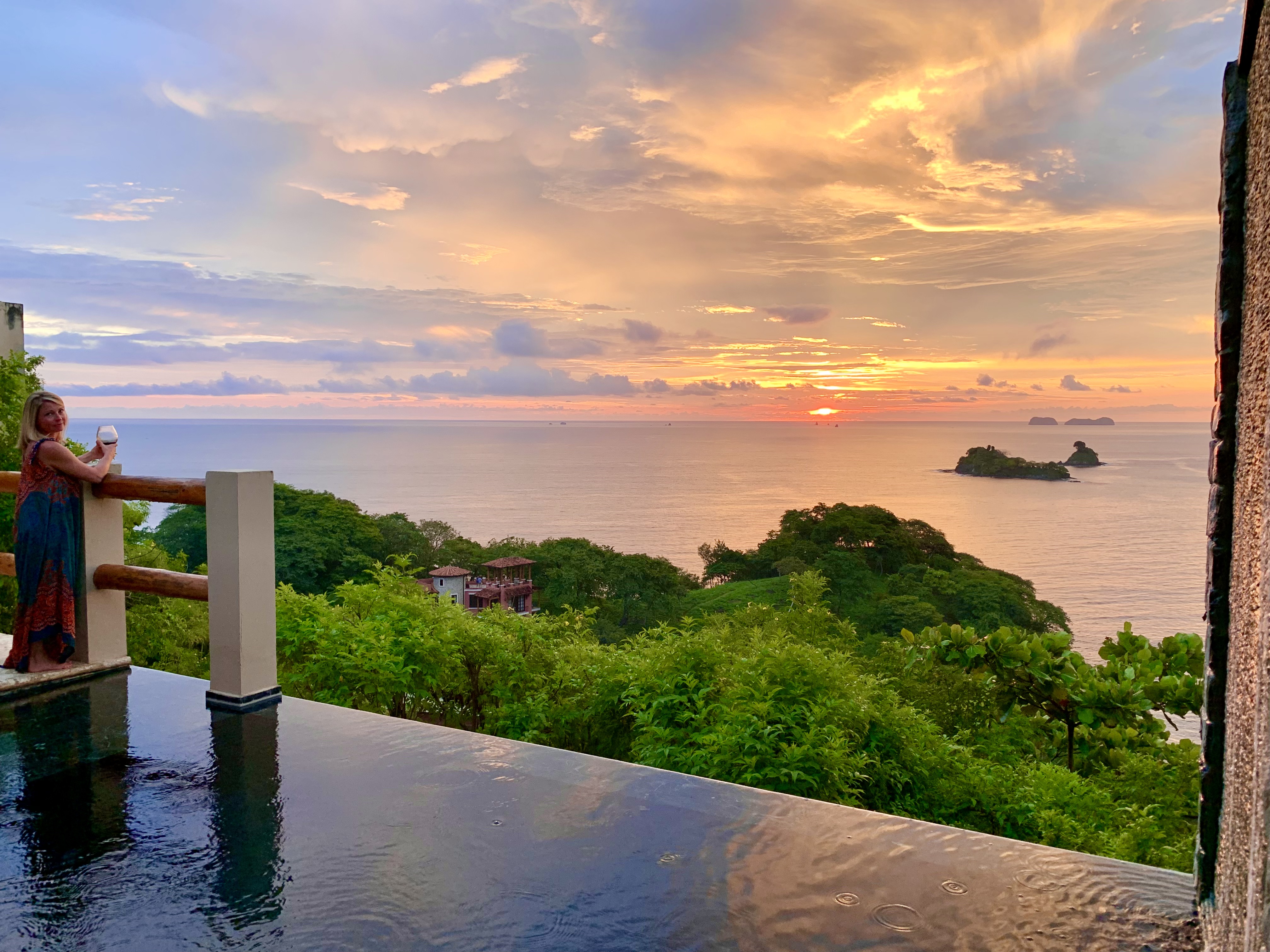
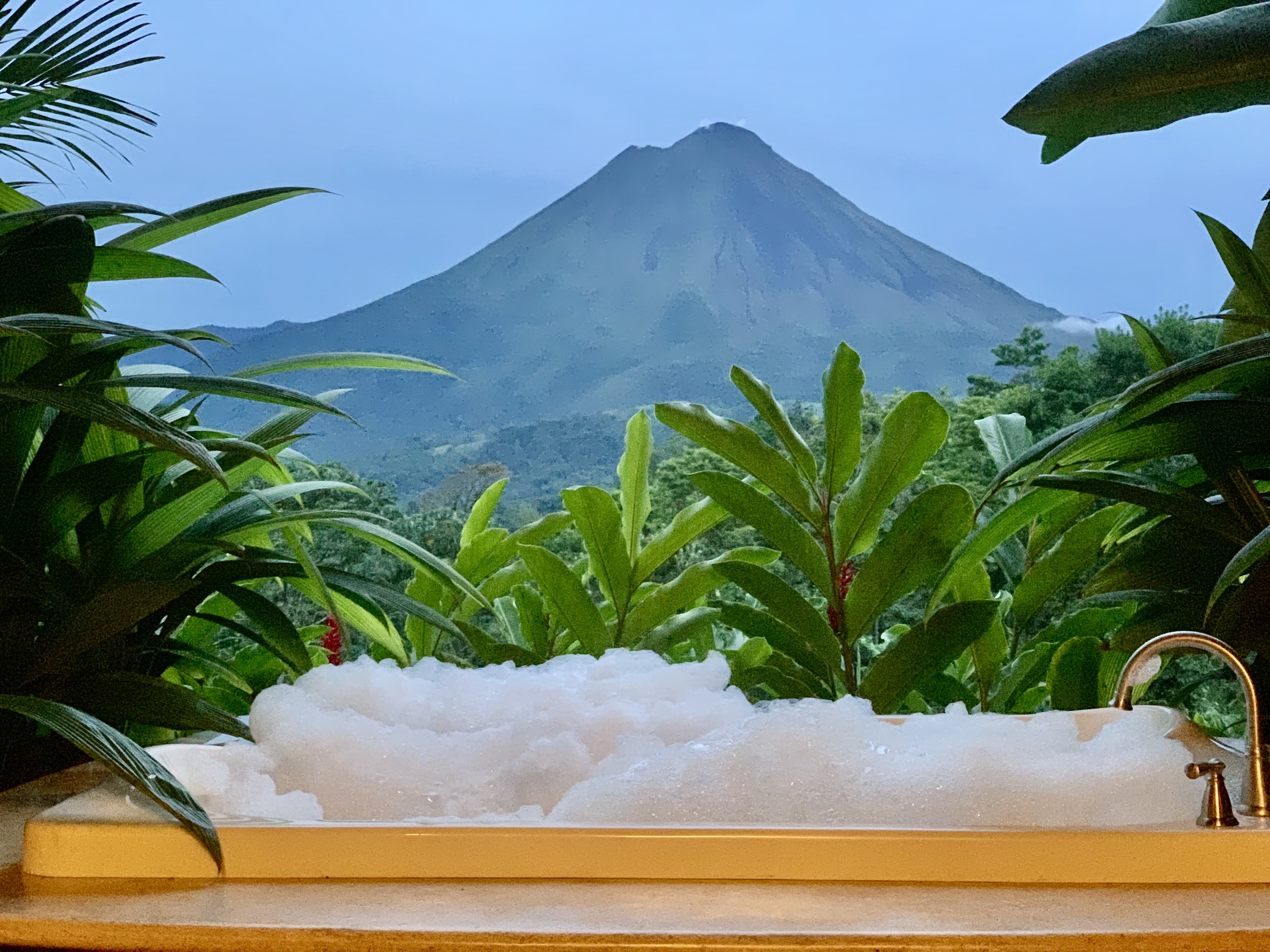
For a full head-to-head on weather, accessibility, ceremony settings, activities, and cost across these three, read Guanacaste vs. Manuel Antonio vs. Arenal. Timing across all three is covered in Best Times of Year to Get Married in Costa Rica.
Can you get married in Costa Rica's Central Valley?
Areas to know: San José, Escazú, Santa Ana, Heredia, Cartago, Orosi, and Turrialba.
The Central Valley is where I see most local Costa Rican weddings happen — and I don't think that's because it lacks beautiful venues, scenery, or food. I think it's because international travelers picture Costa Rica as beaches, volcanoes, and all-inclusive resorts, so the Central Valley never enters the conversation.
That's exactly why it can be interesting. For couples who want something that feels more local, more cultural, and less expected — coffee estates, mountain towns, historic architecture — this region delivers a version of Costa Rica most visitors never see. It's also the most convenient region for arrival, since San José International is right there.
What is a Puntarenas or Nicoya (Blue Zone) wedding like?
Areas to know: Monteverde, Santa Teresa, Montezuma, Tambor, Paquera, the Gulf of Nicoya islands, and the Nicoya Peninsula.
Puntarenas covers a wide stretch of the country and looks completely different depending where you land. This is where you'll find Monteverde and its cloud forest, plus surf towns, remote beaches, boutique hotels, ferry travel, and a noticeably slower pace.
It's also home to part of the Nicoya Peninsula — one of the world's recognized Blue Zones, meaning an unusually high concentration of people living into their nineties and beyond, tied to a lifestyle built around movement, community, local food, time outdoors, and a strong sense of purpose. I'm not suggesting a wedding here will make your guests live to 100. But it does give the area a distinct, grounded feel that appeals to couples who want something slower and less polished than a big resort.
The tradeoff is transportation. Ferry schedules, road conditions, transfer times, and flight options all shape the experience here more than in other regions — worth confirming the specifics for your exact dates early, because timing drives everything else. Pretty matters. Timing matters more.
Is the South Pacific (Osa) too remote for a destination wedding?
Areas to know: Dominical, Uvita, Ojochal, Sierpe, Drake Bay, the Osa Peninsula, and Corcovado.
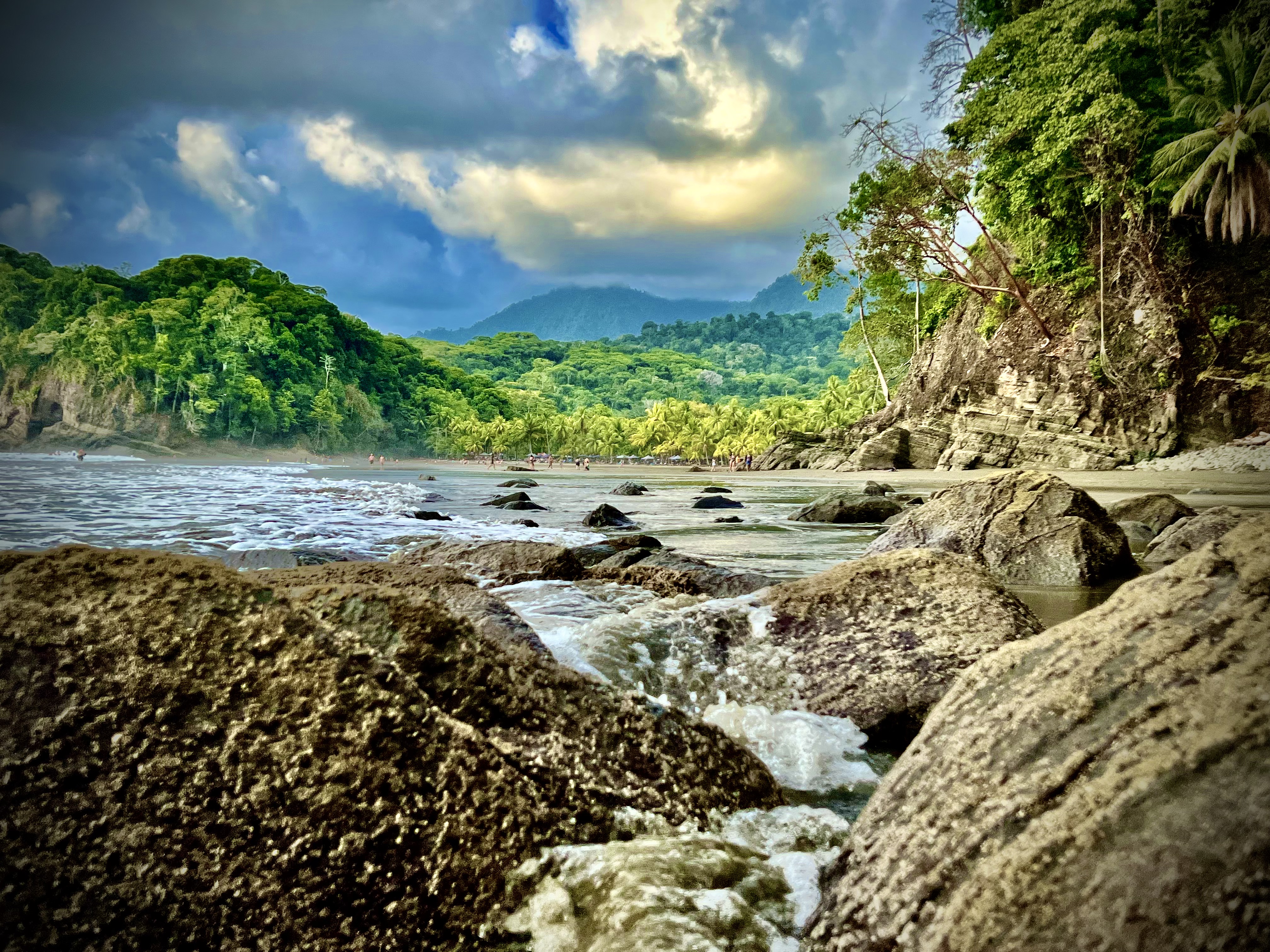
This is the Costa Rica most people picture — thick jungle, waterfalls, wildlife, beaches that feel unbuilt, and a slower pace. It takes longer to reach, which means fewer people make the trip, and in my opinion that's exactly what keeps it feeling private and a little untamed.
After traveling all seven regions, this is the one my family chose to call home. I live here part-time, and it's my favorite recommendation for couples who want something that doesn't feel like a resort wedding at all — boutique hotels, private villas, an intimate group, and guests willing to travel a bit farther for it.
It isn't the simplest choice for everyone. A remote, beautiful hotel can be a poor fit for a large guest list, guests with mobility concerns, or people who want all-inclusive dining and on-property entertainment. Pretty isn't specific enough — the question isn't whether the South Pacific is beautiful, it's whether it fits your guests.
Getting here: San José International is usually the practical starting point, with a three-to-four-hour drive depending on your final destination. There are also domestic flights that cut that to roughly 25 minutes in the air. I take the flight whenever it makes sense — it saves time, the views are incredible, and it turns a travel day into part of the experience. For a group of around 12, a private charter can be more attainable than couples expect; worth asking about availability and pricing for your dates.
What is a Caribbean-coast Costa Rica wedding like?
Areas to know: Puerto Viejo, Cahuita, Manzanillo, Tortuguero, and Limón.
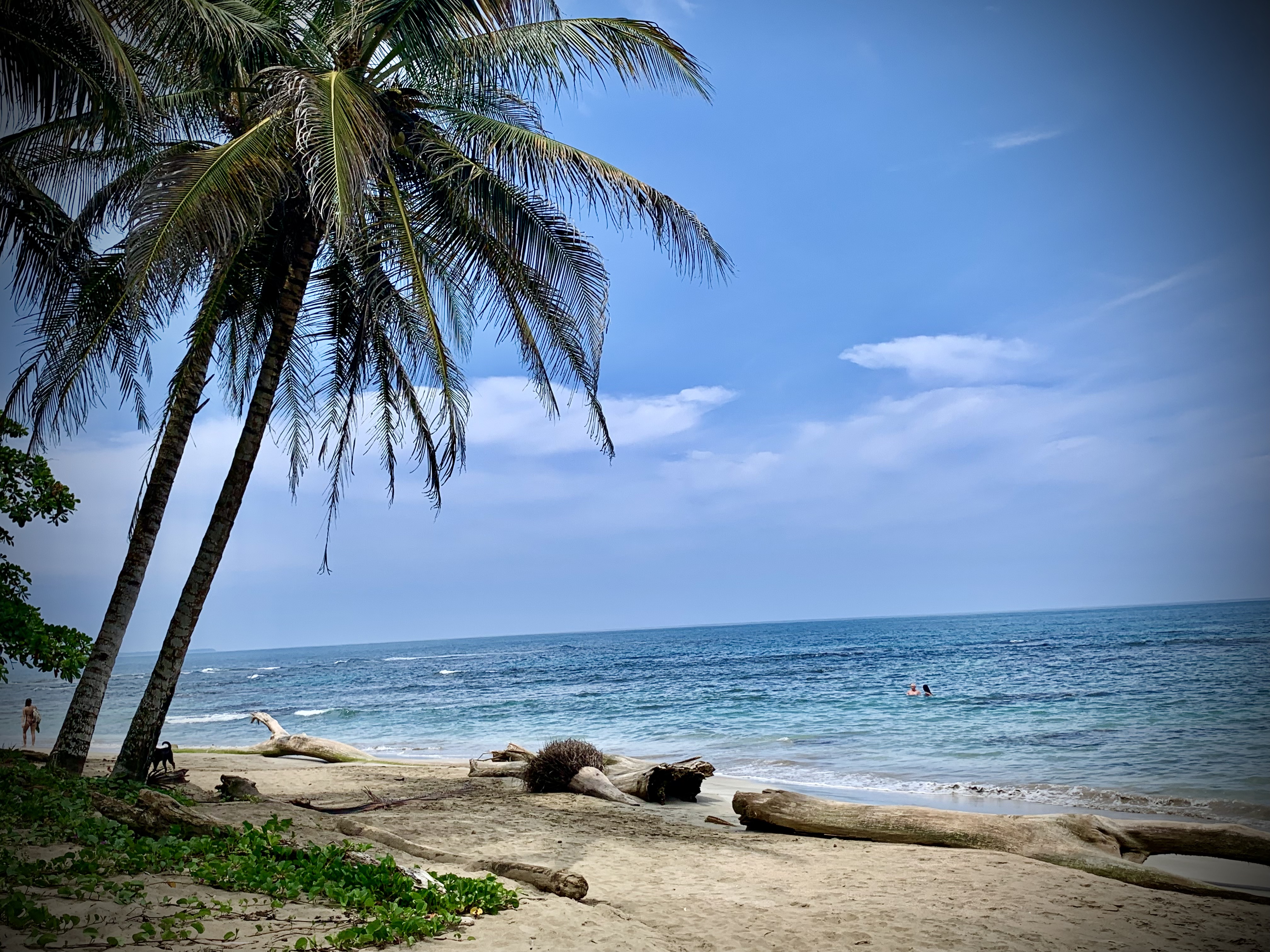
The Caribbean coast feels nothing like the Pacific side. It's more colorful, more tropical, more laid-back, and shaped by Afro-Caribbean culture — the food, the landscape, the rhythm, and even the weather patterns all differ from what couples expect in Guanacaste or Arenal. For the right couple, it's genuinely special.
It may not suit a couple wanting a large all-inclusive with multiple restaurants and full-scale group event setups. But for a cultural, food-focused, boutique-hotel kind of trip, it's hard to beat.
Tortuguero is the standout add-on here — canals, wildlife, rainforest, and small lodges reached by boat, ideal as a two- or three-night extension. It's known for sea turtle nesting, though timing depends heavily on species and season, so confirm current viewing rules and guided-tour availability before planning a trip around hatchlings.
Two honest notes. First, Caribbean beaches can have lighter sand than the Pacific side, but conditions vary widely — I noticed more debris in some areas than I expected. That doesn't make it less beautiful; it means expectations matter if you're picturing a polished resort beach. Second, the pace is genuinely slower. In the morning I need coffee before I become human, and on the Caribbean side I've caught myself getting antsy waiting to be served. On the Pacific side I'm barely through the first cup before someone offers a refill. On the Caribbean side I've been known to find where the coffee is stored and pour it myself — honestly, to the benefit of whoever's traveling with me. That slower pace isn't a flaw, it's the culture. But it's worth knowing before you commit, especially for guests who like quick service and a structured schedule.
The Caribbean side also works well for couples extending into Panama — Bocas del Toro is a popular add-on for island time and overwater-bungalow-style stays. I'm visiting one of those boutique properties myself in October 2026, so I'll have firsthand insight to share after that.
Which region actually fits your guests?
The best region isn't the one with the prettiest photo. It's the one that works for your real guest list.
Before choosing, think honestly about: how many guests you expect, whether they're comfortable with longer transfers, whether they want all-inclusive convenience or boutique character, whether anyone has mobility concerns, whether children are attending, whether guests will actually explore or mostly stay put, and whether the wedding is the main event or part of a bigger trip.
A group with grandparents, young children, and guests flying in from different cities needs a different plan than a small group of adventurous friends. Your guests should feel hosted, not just invited — and that starts with choosing a region that makes sense for the people you're asking to travel. For the full planning picture across regions, see The Insider's Guide to a Destination Wedding in Costa Rica.
Shanna's Final Take
There's no universal best region in Costa Rica — there's only the one that supports the wedding you actually want. I've watched couples fall for a resort photo, book it, and then realize the region didn't fit their group at all. Start with the experience and the guest list. The region follows from that, and the resort follows from the region.
Honest verdict
- Best for
- Couples willing to look past the three regions everyone already knows — the Central Valley, Puntarenas, South Pacific, and Caribbean coast are where Costa Rica gets genuinely interesting.
- Not ideal for
- Groups that need short transfers, lots of room categories, and full-scale all-inclusive infrastructure. That really means Guanacaste, and there's no shame in choosing it for exactly that reason.
- What I'd choose instead
- If you want the wild version but have a guest list that needs convenience, split it: an easy all-inclusive week for the wedding, then move to the South Pacific or Caribbean afterward for the part you'll actually remember.
Frequently asked
What is the best region in Costa Rica for a destination wedding?
There isn't a single best one. Guanacaste is easiest for beach resorts and larger groups, Arenal for volcano and adventure, Manuel Antonio for beach-and-jungle in one place, and the South Pacific or Caribbean for couples who want something more private and less commercial.
Is Guanacaste or Arenal better for a destination wedding?
Guanacaste if you want a beach ceremony, all-inclusive resorts, and simpler guest logistics. Arenal if you want rainforest, volcano views, hot springs, and an active week — and your group is smaller and up for exploring.
Can you have a Costa Rica destination wedding at a boutique hotel?
Absolutely, and it's common outside Guanacaste. Boutique hotels and private villas are the norm in the South Pacific, Puntarenas, and the Caribbean — just expect more moving parts than an all-inclusive, since food, beverage, and event spaces are usually priced separately.
Is Costa Rica good for a large destination wedding group?
Yes, but region matters. Guanacaste has the most large-resort infrastructure and the easiest airport access, which makes it the practical choice for bigger groups. More remote regions can struggle to accommodate large guest lists comfortably.
Should we choose our region before picking a resort?
Yes. Region determines your guests' travel day, the landscape, the weather pattern, and what there is to do all week. Picking a resort first and backing into the region is how couples end up somewhere that photographs beautifully but doesn't fit their group.