Why do destination weddings get expensive faster than couples expect?
A destination wedding sells itself as the more affordable choice, and for a lot of couples it genuinely is — but the price tag grows fast in places most couples don't see coming. It's rarely the ceremony itself that inflates the budget. It's the compounding effect of guest count on every other line item. Every extra seat means one more meal, one more chair rental, one more centerpiece, one more welcome bag, one more shuttle seat, and often a bump into a higher-tier resort wedding package. Ten extra guests can quietly add $3,000 to $6,000 to the wedding without anyone asking for anything new.
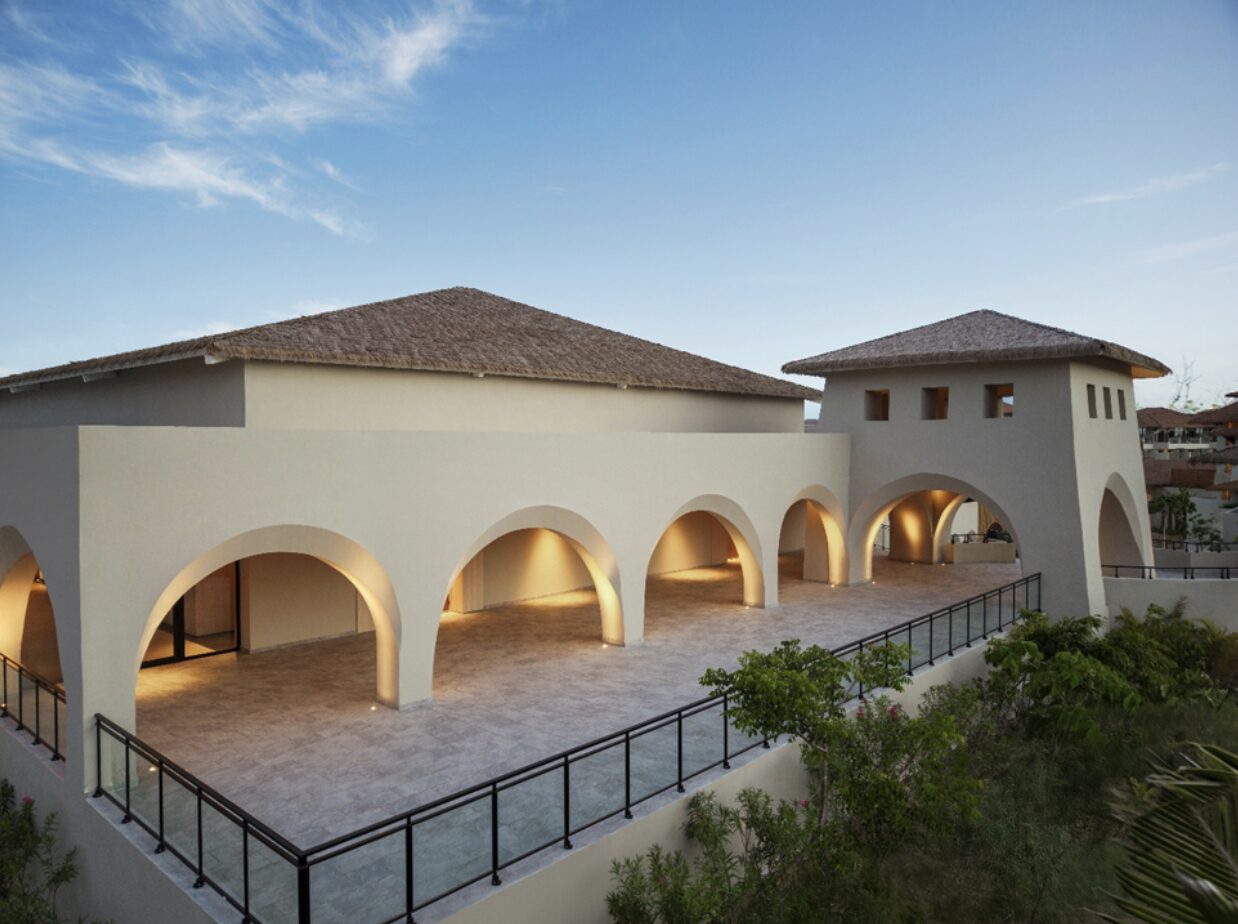
The second driver is design. When couples fall in love with a venue that needs work — a plain ballroom, an unmemorable lawn, a room that looks like nothing until it's dressed — the décor, floral, and lighting budgets balloon to build the atmosphere the location doesn't provide on its own. Both of these problems are solvable, and they're the ones that respond to the biggest, easiest cuts. The four moves below are the ones I recommend to almost every couple I plan for.
1. Should you reduce your destination wedding guest list to cut costs?
Yes — this is the single highest-leverage cost cut available to you, and it's the one I see couples resist the longest. A destination wedding of 20 to 30 guests is a fundamentally different budget than a destination wedding of 60 or 80. Fewer guests means lower resort package costs (meals, champagne toasts, chair fees, per-person setup charges), less décor (fewer tables, linens, centerpieces, chargers, favors), and smaller supporting rentals (a smaller dance floor, less lighting, fewer bar setups, smaller welcome-bag orders, shorter transportation runs).
The savings compound in a way that surprises couples. Trimming a list from 60 to 30 doesn't cut the wedding cost in half on paper — it often cuts it by more, because a smaller list drops you into different resort package tiers, lets you use smaller and more design-friendly reception spaces, and reduces the sheer number of vendor add-ons the day requires. A group under 30 also opens up private-dinner venues at almost every all-inclusive I work with — the beachfront palapa, the wine cellar, the chef's garden, the rooftop terrace — spaces that a larger group can't book because they simply don't fit.
The emotional case is even stronger than the financial one. A smaller group means you actually get real time with each person who traveled to be there. Guests remember the wedding where they had a full conversation with the bride and groom, not the one where they got a quick hug on the way to the bar. Cutting the list is the rare cost decision that improves the experience for everyone in the room at the same time.
2. Should you make your destination wedding adults-only to save money?
An adults-only guest list is the second-biggest lever, and it works because it usually trims your headcount by 4 to 12 seats in one clean move. Fewer guests means fewer meals, fewer chairs, fewer place settings, fewer transportation seats, and a simpler timeline. But the logistical wins are almost as valuable as the financial ones. An adults-only wedding removes the whole layer of kid-focused planning — no children's menus to negotiate, no babysitter coordination, no kid-friendly welcome bags, no separate transportation seats for car seats, no plan for what happens when a toddler melts down during vows.
The right way to communicate it is early and clearly. Put 'Adults-only celebration' on the wedding website from day one. Put it on the save-the-date if you're using one. If a guest asks, keep the answer short and warm — 'We wanted a small adults-only week so we could spend real time with each of you.' Don't apologize, don't over-explain, and don't make exceptions. The moment you invite one couple's kids, you've broken the policy for everyone else.
If a chunk of your guest list simply can't travel without kids, the cleanest solve is choosing an adults-only resort. Many of the properties I book — Secrets, Breathless, Le Blanc, and others — are 18+ by policy. That removes the awkwardness entirely: nobody has to make a personal ruling because the resort already made it. Guests plan accordingly, and the whole conversation goes away.
3. Should you bring a photographer friend to your destination wedding?
For most couples, yes — this is one of the largest single line-item cuts available. Resort photography packages typically run $2,500 to $6,000+ for a wedding day, and outside professional photographers who fly to destination weddings often cost $4,000 to $8,000 once travel and lodging are included. If you have a friend who's a skilled photographer, inviting them as a guest and covering their airfare and room in exchange for shooting the wedding can save $3,000 to $6,000 while giving you photos from someone who actually knows you.
There are three catches, and they're worth planning around. First, check the resort's outside-vendor policy before you commit. Many all-inclusive resorts charge an 'outside vendor fee' — usually $200 to $800 — for a professional photographer who isn't part of the resort's in-house team. A common workaround is to add your photographer friend to the wedding room block as a guest rather than book them as a vendor, which usually avoids the fee entirely. Confirm this in writing with the resort before you finalize.
Second, be honest with yourself about your friend's work. Look at a full recent wedding gallery, not just their portfolio highlights. Wedding photography is a specific skill — lighting a ceremony under harsh Caribbean sun, shooting fast-moving reception dancing, capturing candid family moments — and not every excellent portrait or landscape photographer is naturally comfortable with it. If you love their work but aren't sure they've shot a full wedding, ask them to shadow a wedding at home first, or plan on a lighter documentary style rather than a formal portrait-heavy day.
Third, put the arrangement in writing even though it's a friend. A one-page memo covering hours of coverage, delivery timeline for edited photos, backup-drive plan, and image-usage rights protects the friendship as much as it protects the couple. Trading airfare and lodging for a wedding day of work is a real professional exchange, and treating it like one keeps everyone on the same page.
4. How does choosing a naturally beautiful venue cut destination wedding costs?
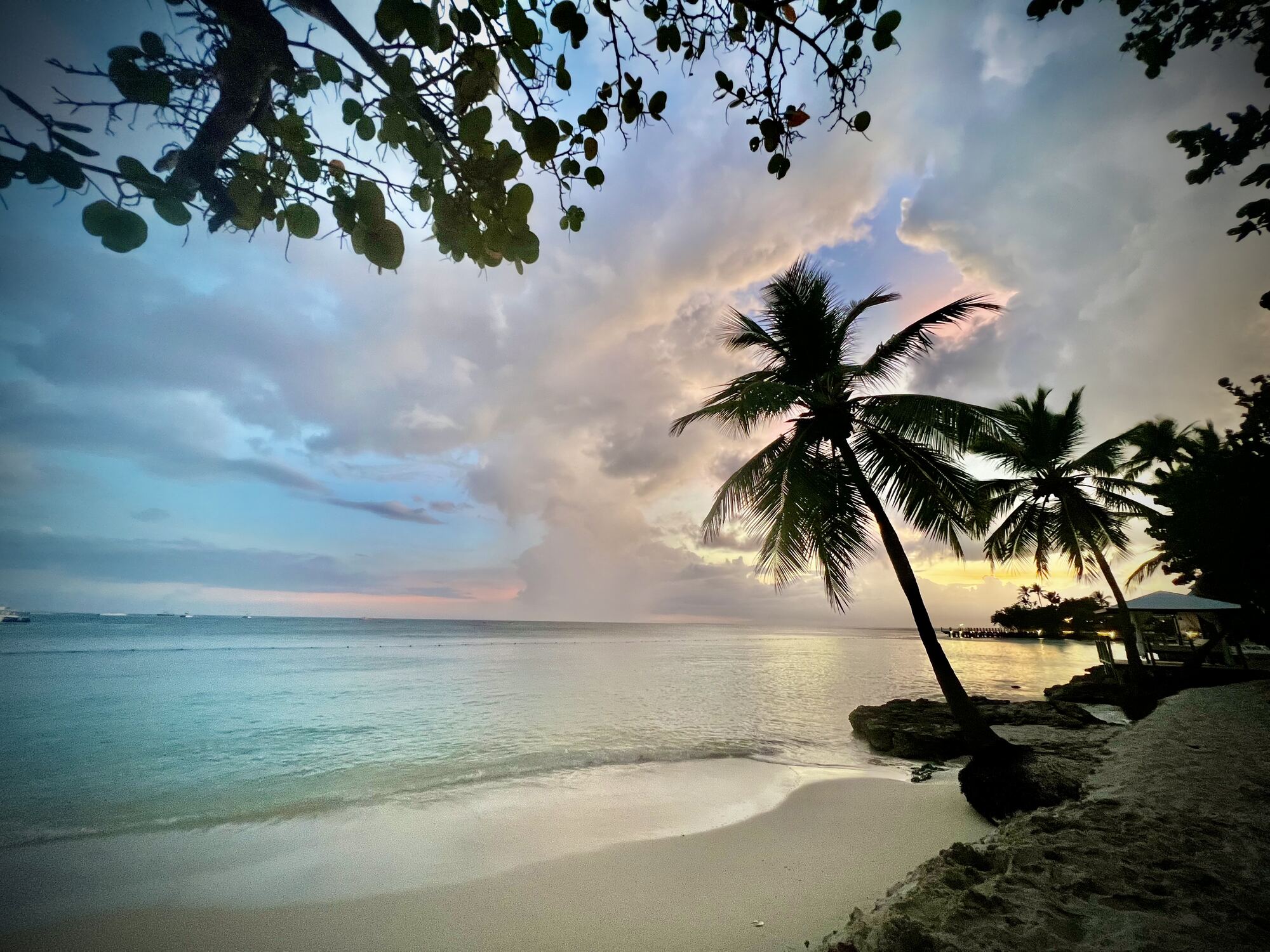
Décor is where couples quietly bleed money — not because floral or lighting is unusually expensive individually, but because a plain venue forces you to build a backdrop from scratch. A naturally beautiful location works in the opposite direction: it already looks like a wedding photo before a single centerpiece arrives, which means you can strip décor down to the essentials and let the setting do the work.
The obvious candidates are beaches, but the same principle applies to garden ceremonies, cliffside terraces, oceanfront gazebos, and jungle deck venues. A beach ceremony with barefoot chairs, a simple driftwood arch, and a couple of floral clusters looks stunning on its own and photographs beautifully; the same guest list in a plain resort ballroom needs uplighting, ceiling drape, a full floral arch, and elaborate table design just to reach the same visual level. The savings on décor alone typically run $2,000 to $8,000 depending on scale.
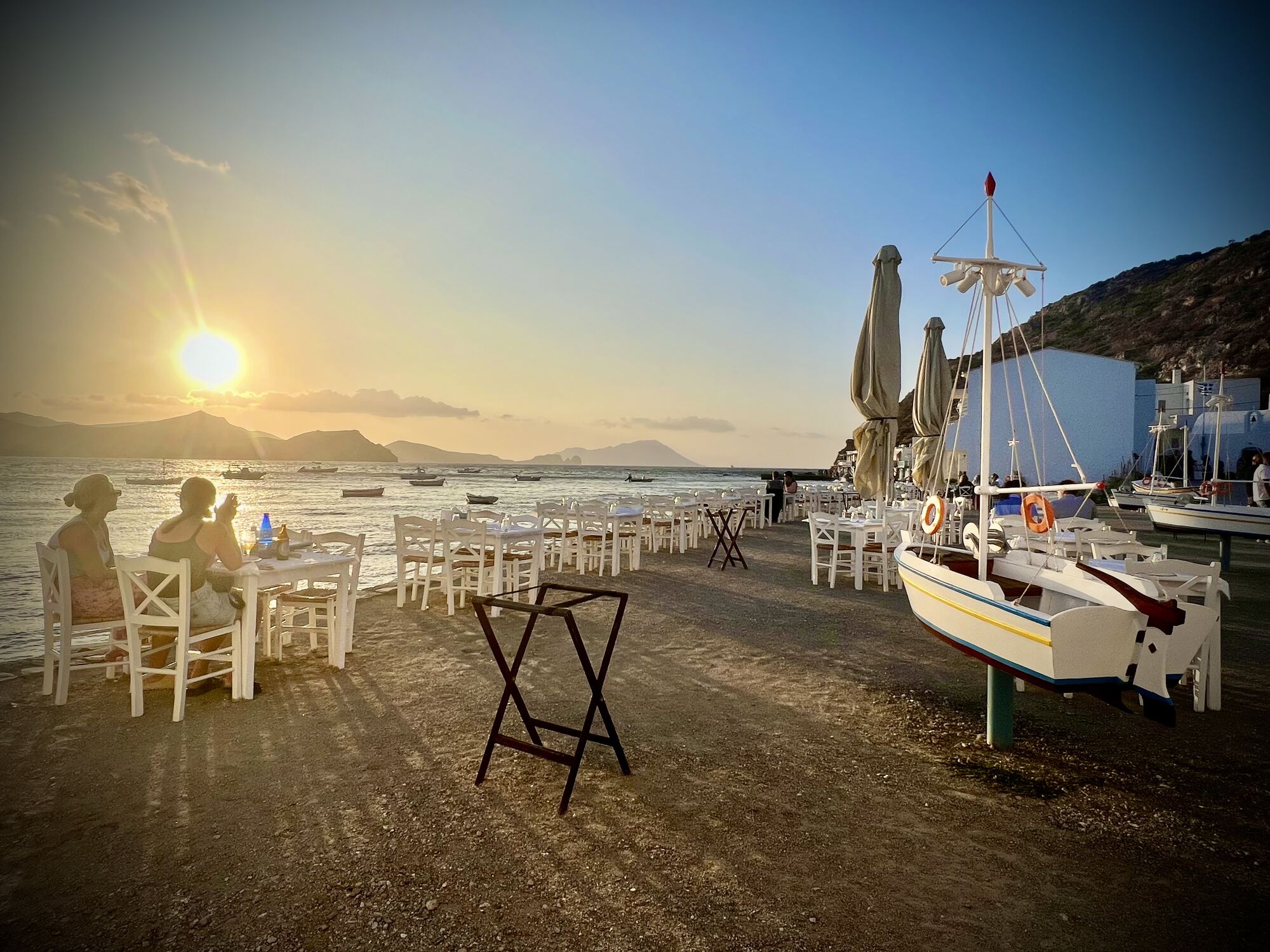
The same logic applies to the reception. A rooftop terrace at sunset, a beachfront dinner under string lights, or a garden setting under lanterns creates atmosphere by default. A traditional ballroom is neutral by design and requires you to build atmosphere from scratch — floral, lighting, drape, chargers, upgraded linens — to reach the same feeling. When couples fall in love with a resort and its ballroom is uninspiring, the most cost-effective move is usually to keep the resort and move the reception outdoors, not to redesign the room.
The other quiet benefit is time. A naturally beautiful venue takes less setup, which usually means fewer setup-and-breakdown labor charges and less rented equipment. When you're paying vendor fees by the hour or by the day, a leaner setup shortens the whole logistical footprint of the wedding.
Bonus: how does a smart room block cut your destination wedding costs?
The room block is the least glamorous cost cut on this list, and it's often the most valuable. When your guests book their rooms inside your official room block — instead of piecing together individual reservations across dates and rate types — you unlock group pricing, resort credits, and negotiated perks that quietly move real money off your total wedding bill.
Depending on the resort and the size of the block, benefits can include a free wedding-week night for the couple every 5–10 rooms booked, an upgraded suite, complimentary or discounted welcome-cocktail hour, a comped rehearsal-dinner allowance, and reduced or waived wedding-package fees. Almost none of that is available on individual reservations. The couple only gets those benefits when the block itself is meaningful — which happens when guests are actively encouraged to book inside it.
The way to encourage it is simple: make the room-block link the single most visible piece of information on your wedding website, price-match the block against the public rate so nobody feels like they're overpaying to be loyal, and use your travel agent as the single point of contact for guest questions. If guests know the room block is where all the perks and coordination live, they book there. If they're not sure, they DIY it — and the wedding loses money for reasons the couple never sees.
What smaller moves stack on top of the big four?
Once the four biggest cuts are in place, there are a handful of smaller moves that meaningfully compound the savings:
- Get married on a weekday. Tuesday, Wednesday, and Thursday weddings routinely price 10 to 20 percent lower than Friday and Saturday weddings at the same resort, and destination-wedding guests are already traveling for the trip, so the day of the week matters less to them than at a home wedding.
- Choose shoulder season, not peak. Late April through early June and September through mid-November deliver most of the weather without peak pricing. Sargassum and hurricane windows are worth planning around, but the price gap between January and May at the same resort is real.
- Skip the separate rehearsal dinner and welcome dinner. Combine them into one welcome-party event on Wednesday or Thursday night. Same social function, half the vendor coordination and half the cost.
- Use resort-provided décor before you rent. Most resort wedding packages include a set of standard chairs, linens, glassware, and simple floral. Look at what's included before you upgrade — a lot of couples pay for upgrades they wouldn't have noticed missing.
- Say no to per-person upgrades that don't photograph. Champagne toasts, specialty tableware, chair covers, and premium napkins add per-guest cost fast and rarely change the way the wedding looks in your final photos. Design-forward pieces — a great archway, meaningful floral, thoughtful lighting — return the money. Per-guest table upgrades usually don't.
None of these are large individually. Together, on top of the big four, they routinely add another 5 to 15 percent to the total savings without any guest ever noticing something was trimmed.
What should you NOT cut to save money on a destination wedding?
A short list of the places I tell couples to leave money in the budget, because the ROI of cutting them is negative:
Photography that you'll be proud of in ten years. If a photographer friend isn't the right fit, don't downgrade to the cheapest resort tier — go one step above. The photos are the artifact of the wedding, and this is not the place to save the last $500.
Travel protection for the couple and the room block. A single medical evacuation, weather cancellation, or missed flight event costs more than every guest's plan combined. This is the kind of insurance you buy hoping to never use.
A great planner. On a destination wedding, the planner is the person who prevents the expensive mistakes — a wrong resort choice, a bad contract, a missed deadline, a guest problem that spirals. The math on a good planner is almost always a net save, not a net spend. That's why the biggest planning mistakes are almost never about design or décor — they're about the decisions made before those choices ever came up.
The welcome experience. Welcome bags, transportation from the airport, and a real first-night event set the tone for the whole trip. Cutting them saves less than couples think and shows up in every guest's memory of the week.
How do you handle guests who are worried about the cost of attending?
Cost cutting on your side of the wedding runs alongside a separate but related conversation: what to do when guests can't comfortably afford the trip. Send save-the-dates early enough that guests have real runway to save and book flights on their timeline, offer a range of room types inside the block so budget-conscious guests can pick a lower category, and lean on your travel agent to help with payment plans and flexible deposit structures. If cost is a live concern in your specific guest group, this guide on how to handle guests who can't afford to attend walks through the wording and etiquette that actually works.
The other frame worth naming: on the traditional 'who pays for what' question, a destination wedding usually shifts more of the cost to guests than a local wedding does — flights, hotel, and time off aren't line items you're covering. That's not unfair, but it's worth being explicit about so nobody is surprised. The full breakdown of who pays for what at a destination wedding covers where the norms have landed and how to communicate it cleanly.
Shanna's Final Take
Cutting destination wedding costs isn't about buying cheaper versions of the same wedding — it's about designing a smaller, more concentrated celebration that costs less because it needs less. Trim the guest list to the people you really want there, make it adults-only if it fits, lean on a photographer friend if you have a genuinely skilled one, and choose a venue that already looks like a wedding photo before a single centerpiece is placed. Stack a smart room block on top, and most couples save 20 to 40 percent versus their first-draft budget while ending up with a week that feels more personal, not less.
The couples I see happiest after their weddings are almost never the ones who spent the most. They're the ones who spent thoughtfully — who cut what didn't matter to them and invested in what did. Get the four big moves right, protect the handful of line items that actually make the wedding memorable, and let the rest of the budget find its natural level. That's what a well-priced destination wedding actually looks like from the inside.
Honest verdict
- Best for
- Couples who are early enough in planning to shape the guest list, the resort choice, and the venue before deposits lock in. The four big cuts — headcount, adults-only, photographer friend, naturally beautiful venue — deliver 90 percent of their savings when they're planned in from the start rather than retrofitted later.
- Not ideal for
- Couples who have already signed a large resort contract, booked a maximum-tier package, and mailed formal invitations to 80+ guests. The savings are still available, but they're smaller, and cutting the guest list after invitations have gone out creates guest-relations friction that isn't worth the money.
- What I'd choose instead
- If the four big cuts don't fit your situation, focus on the room-block strategy and the smaller stacking moves — weekday date, shoulder season, combined welcome-and-rehearsal-dinner, and skipping the per-guest upgrades that don't photograph. Together they still deliver a meaningful trim without changing the shape of the wedding you already sold to your guests.
Frequently asked
What is the biggest way to cut destination wedding costs?
Reducing the guest list is the highest-leverage single move. Every seat above roughly 30 guests multiplies costs across meals, chairs, linens, floral, welcome bags, transportation, and resort package tier. Trimming from 60 to 30 guests often cuts total wedding costs by more than half because a smaller group unlocks lower package tiers and lets you use smaller, more design-friendly reception spaces. It also improves the experience — you actually get real time with each person who traveled to be there.
Is an adults-only destination wedding really cheaper?
Usually yes. An adults-only rule typically trims a guest list by 4 to 12 seats in one clean move, which reduces meals, chairs, place settings, and transportation seats accordingly. It also simplifies logistics — no children's menus, no babysitter coordination, no kid-friendly welcome bags. The cleanest way to communicate the policy is to post 'Adults-only celebration' on the wedding website from day one and, if a large share of your guest list would need childcare, to consider booking an 18+ resort so the policy is set by the property rather than by you.
Can you really save money by bringing a photographer friend to your destination wedding?
Yes — often $3,000 to $6,000 versus a resort or outside professional package. The typical structure is that the couple covers the photographer friend's airfare and room in the wedding block, and the friend covers the wedding day plus an agreed number of hours. Two important checks: confirm the resort's outside-vendor policy in writing (adding the photographer to the wedding room block often avoids the outside-vendor fee entirely), and look at a full recent wedding gallery from the friend, not just portfolio highlights, before committing. Wedding photography is a specific skill, and not every excellent photographer has shot a full wedding day.
Does choosing a beach or garden venue really save on decor costs?
Meaningfully, yes. A location that's beautiful on its own — beach, cliffside terrace, oceanfront gazebo, garden ceremony, jungle deck — carries the visual design without requiring heavy floral, uplighting, ceiling drape, and structural décor to build a backdrop from scratch. Décor savings alone typically run $2,000 to $8,000 depending on scale, and the same principle applies to receptions: an outdoor dinner under string lights or lanterns creates atmosphere by default, while a plain resort ballroom requires building atmosphere line-by-line to reach the same visual level.
What is the easiest way to cut destination wedding costs after invitations are already sent?
Focus on the room-block strategy and smaller stacking moves rather than trying to trim the guest list. Make the room block the single most visible piece of information on the wedding website so guests book inside it and you earn group perks like comped nights, upgrades, and reduced wedding-package fees. Consider combining a separate rehearsal dinner and welcome dinner into one welcome-party event, skip per-guest upgrades that don't photograph (champagne toasts, chair covers, premium linens), and look hard at what your resort package already includes before paying for décor upgrades you might not miss.