What's the actual difference between a legal and a symbolic destination wedding?
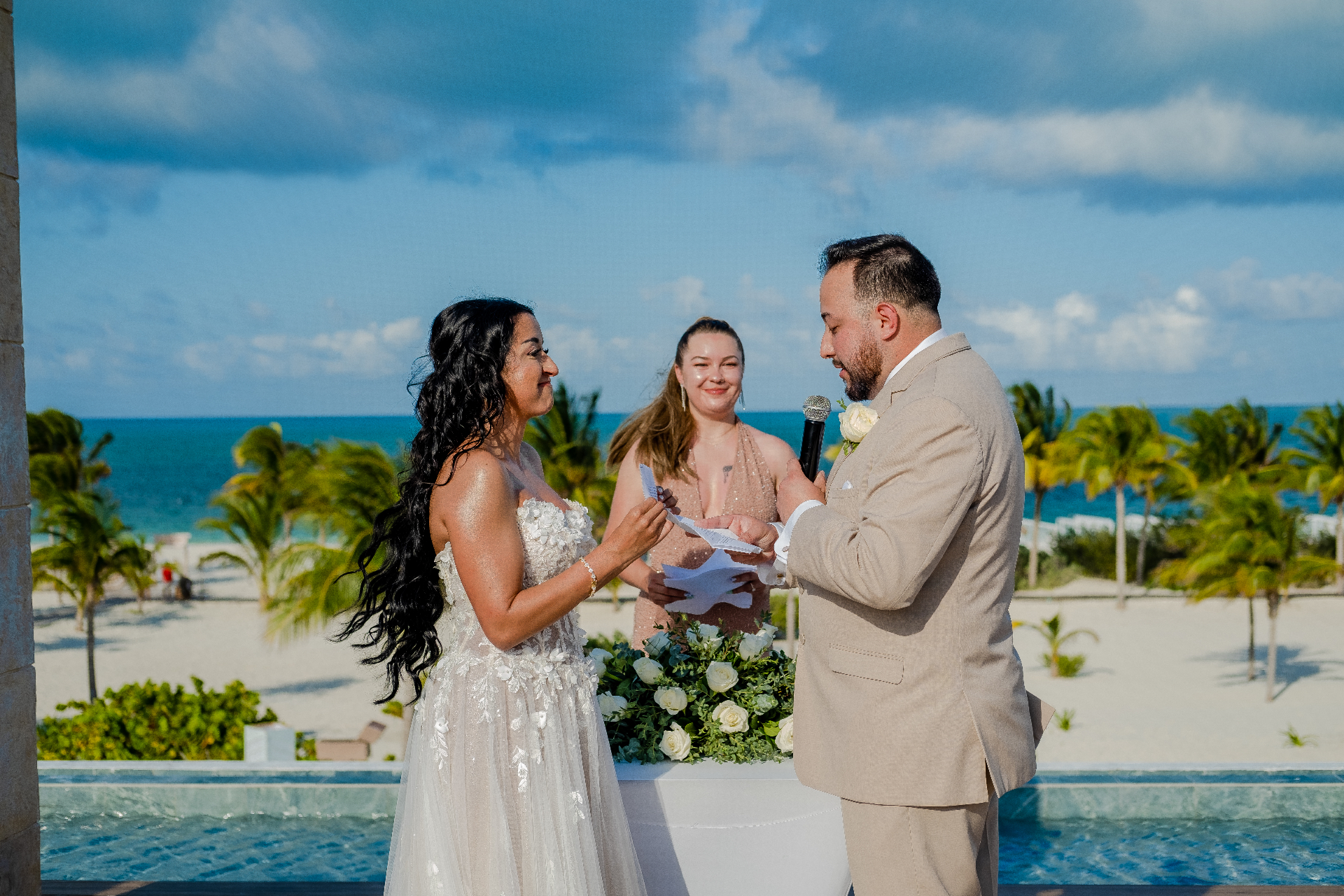
A legal wedding abroad means you meet the destination's local marriage laws, your paperwork gets filed, and your marriage is legally valid everywhere. A symbolic wedding abroad looks and feels exactly like a real wedding — vows, ceremony, celebration — but carries no legal weight in that country. Many couples choose to marry legally at home first, quietly and simply, then travel for a symbolic celebration that's actually about the people and the moment rather than the paperwork. Neither option is more 'real' than the other; they solve different problems.
How do residency rules affect your destination-wedding timeline?
Residency rules dictate how long you (or your partner) need to be physically present in a country before you're legally eligible to marry there. Some destinations, like Jamaica, have essentially no wait — you can marry the day after arrival. Others require a longer stay, and in some cases considerably longer than most couples expect.
This affects your actual trip planning more than people realize. If a destination requires arrival three business days before your ceremony, you'll need at least a five-night stay to make the math work — and you don't want to plan on leaving the morning after your wedding day. Some places only count business days toward residency requirements too, so flying in on a Saturday might mean your first two days don't count at all. If your destination's residency requirement is longer than you're able to stay, marrying legally at home first and having a symbolic ceremony abroad solves the problem entirely.
Which countries have unusual legal-marriage requirements to know about?
A few real examples of how much these rules vary by destination — and why it's worth checking your specific country's current requirements rather than assuming:
- Mexico — often requires blood tests as part of the legal marriage process. Many couples choose a symbolic ceremony here instead and handle the legal marriage at home beforehand.
- France — can require one partner to reside in the town where you're marrying for 40 days, a genuinely strict residency window.
- Italy — has no residency requirement, but the ceremony itself must be conducted in Italian, which often means arranging a translator.
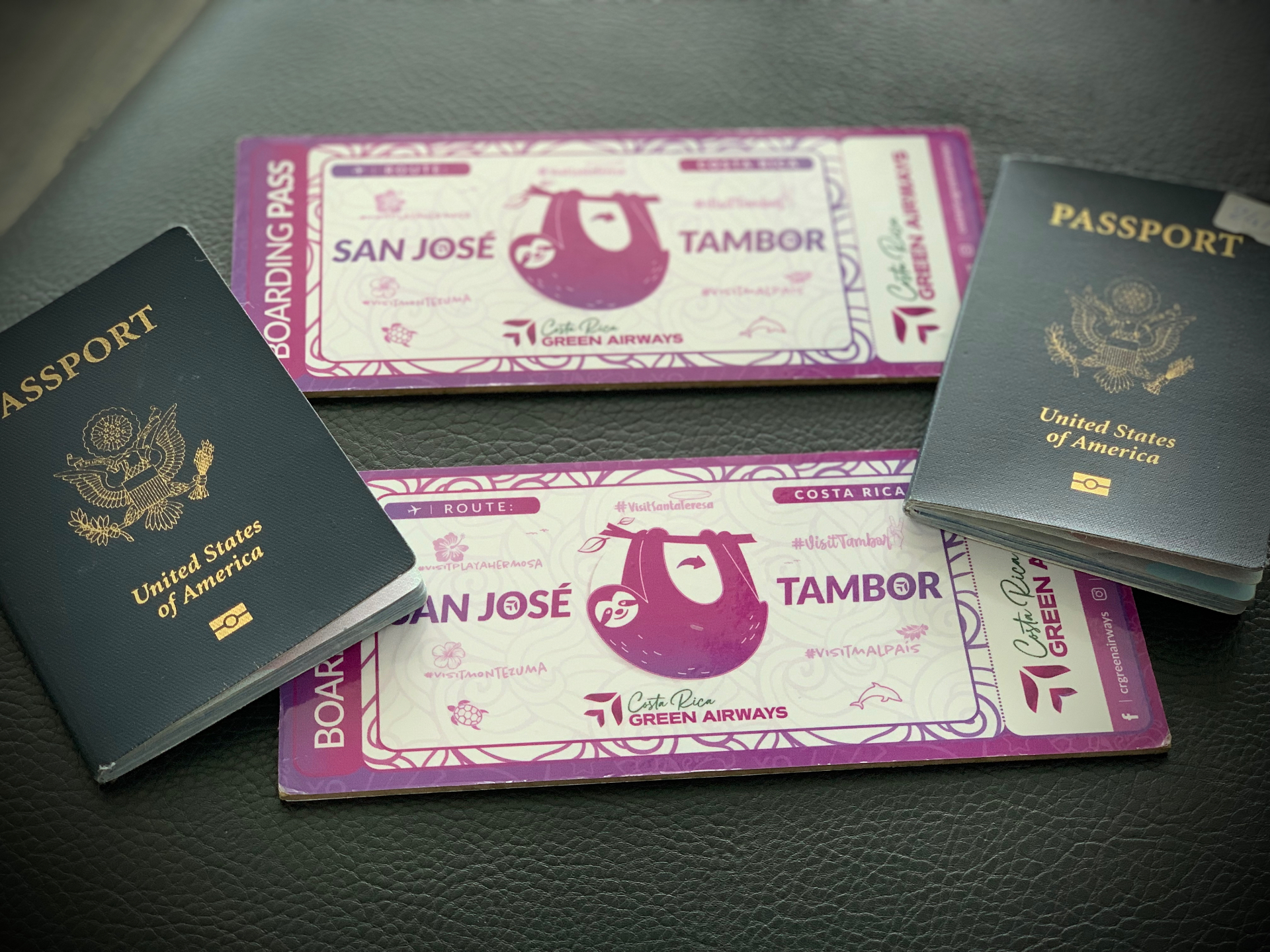
- Costa Rica — requires two witnesses present at the ceremony, and those witnesses need valid passports.
- Jamaica — is well known for requiring a legal marriage to already be completed before a symbolic ceremony can take place there, tied to how seriously the destination treats the institution of marriage.
Why do many couples marry legally at home before their destination wedding?
A few reasons certain islands and countries, Jamaica among the best known, ask for a completed marriage certificate before a symbolic ceremony: tradition and religion (weddings are treated as sacred even when symbolic), respect for the institution of marriage locally, and practical tourism regulation — avoiding confusion for guests, planners, and officiants alike. It's not a bureaucratic inconvenience so much as a reflection of how that culture treats the ceremony itself.
What's the simplest way to handle legal marriage requirements abroad?
A few habits make this dramatically less stressful: get legally married at home first if your destination requires it or if the residency timeline doesn't fit your trip, carry proof (your actual marriage certificate) to the resort or officiant abroad, and work with someone who already knows which destinations require this step — a travel advisor who's done this before can flag it long before it becomes a problem.
One important caveat
Marriage laws change, and they vary not just by country but sometimes by region within a country. The specifics above reflect what's generally true, but before you finalize any plans, confirm current requirements directly with the destination's consulate, embassy, or a qualified local notary — not a blog post, including this one. This is one area where a five-minute confirmation call is worth far more than assuming last year's information still applies.
Shanna's Final Take
The couples who handle this smoothest aren't the ones who found the destination with zero legal complexity — they're the ones who found out early which requirements actually applied to them, and built their plan around it instead of discovering it two months before the wedding. Legal-first-then-symbolic isn't a compromise; for a lot of couples, it's genuinely the easier and less stressful path. For a destination-specific deep dive, see our guide to getting legally married in Costa Rica vs. a symbolic ceremony. If Jamaica is on your list, start with the Jamaica destination wedding overview.
Honest verdict
- Best for
- Couples willing to confirm requirements early and build their timeline around them, rather than assuming their dream destination will accommodate whatever schedule they already had in mind.
- Not ideal for
- Couples set on having their legal marriage happen in the destination itself, on a tight timeline — that combination requires the most careful advance planning of any option here.
- What I'd choose instead
- If your destination's legal requirements feel like too much hassle, marrying at home and celebrating symbolically abroad is a completely valid choice, not a lesser one.
Frequently asked
What's the difference between a legal and symbolic destination wedding?
A legal wedding meets the destination's marriage laws and is legally valid everywhere; a symbolic wedding looks and feels like a real ceremony but carries no legal weight in that country. Many couples marry legally at home and celebrate symbolically abroad.
Does Mexico require blood tests to get married there?
Blood tests are often required for a legal marriage in Mexico, which is one reason many couples opt for a symbolic ceremony there instead and complete the legal marriage at home.
Why does Jamaica require a legal marriage before a symbolic ceremony?
It reflects how seriously the destination treats the institution of marriage, along with tourism regulations meant to avoid confusion for guests, planners, and officiants.
How do we find out our destination's specific legal requirements?
Confirm directly with the destination's consulate, embassy, or a qualified local notary — requirements change and vary by region, so this isn't something to rely on secondhand information for.