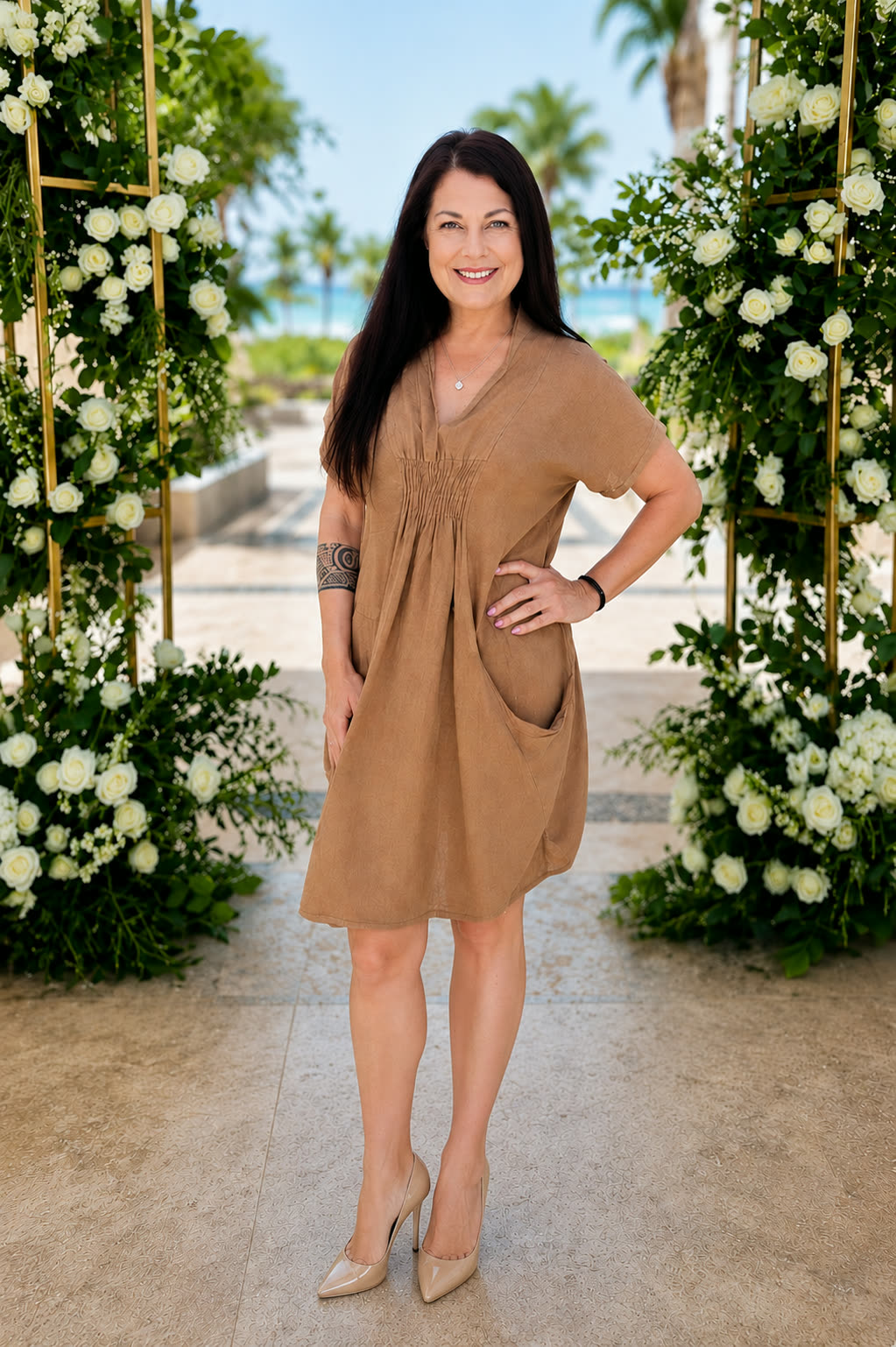
What are post-ceremony vows — and why are so many destination wedding couples choosing them?
Destination weddings are already full of built-in beauty. A beach, a garden, a mountain overlook, a stone chapel in a Mexican village — the backdrop does most of the emotional work before a single word is spoken. What I'm seeing more and more of, especially with couples who don't want a long, guest-heavy ceremony script, is a quiet trend that keeps growing: post-ceremony vows.
The idea is simple. The public ceremony stays short and clean — an officiant welcome, readings if you want them, the pronouncement, the kiss. The personal vows — the ones with your handwriting on them, the ones with the inside jokes and the specific promises and the sentences you'll cry on — don't happen in front of a crowd. They happen later, in private, with just the two of you and, usually, one photographer or videographer standing far enough back to become invisible.
It's romantic, it's low-pressure, and it changes what your wedding film actually looks like. The couples I've walked through this option almost universally tell me the same thing afterward: the ten minutes we spent alone were the ten minutes of the day we remember most.
Why do couples prefer sharing vows in private after the ceremony?
There are four reasons I hear over and over from couples who chose this route, and each one holds up.
The first is pressure. Reading vows out loud in front of thirty, fifty, a hundred people is genuinely difficult for a lot of us. Even confident public speakers get tight-throated when the words are this personal and the person you love is standing across from you crying. Saving the vows for later removes the audience entirely. There's no microphone. There's no hush of a crowd waiting. You can pause. You can laugh. You can start over. You can say the thing you were going to edit out for a family audience.
The second is the film. Most destination wedding couples I book invest real money in photography and video, and one of the most valuable pieces of footage you can hand a wedding filmmaker is a private vow exchange in beautiful light. It's the moment editors build the whole highlight film around. Vows shot at sunset on a quiet beach, with a soft voiceover playing under portrait clips from the day, is one of the strongest possible openings for a wedding film. It's almost impossible to recreate that intimacy inside a crowded ceremony.
The third is authenticity. Your wedding ceremony is for everyone who came. Your vows are for each other. Private vows let you keep the inside jokes, the secret promises, the specific memories, and the un-editable sentences you would have softened for a public reading. When only one person on earth needs to hear a sentence, you write and speak that sentence differently.
The fourth is pace. Wedding days move fast — cocktail hour, first dance, toasts, cake, sparkler exit, everyone tired by ten. Carving out fifteen minutes for a quiet moment together is one of the only reliable ways to slow the day down in the middle of it. Couples describe those fifteen minutes as the first time they exhaled since the morning.

Are post-ceremony vows the same as a first look?
This is one of the most common questions I get, and the answer is no — but they're related, and some couples do both.
A first look happens before the ceremony. The couple sees each other privately, usually with a photographer capturing the reveal, so the emotional charge of seeing each other dressed and ready doesn't have to wait until the aisle. It's about breaking one specific tradition on purpose so the rest of the day flows more smoothly. I wrote more about the timeline and photography implications of a first look here.
Post-ceremony vows happen after the ceremony. The couple has already said the legal words and been pronounced. What they haven't done yet is the personal part — the promises they wrote for each other. That happens away from the crowd, usually before dinner or during the golden-hour portrait window.
The two ideas share the same underlying instinct: protect the most personal moments of the day from the choreography of a large event. But they solve different problems. A first look is about calming pre-ceremony nerves and buying back photo time. Post-ceremony vows are about protecting the words themselves.
Watch: a quick look at what a post-ceremony vow moment can feel like
Here's a short glimpse of the mood couples are going for when they choose this option. Save it and share it with your photo and video team when you're deciding whether to build the moment into your day.
How do you plan post-ceremony vows into a destination wedding day?
Five things need to line up, and none of them are complicated. Handled up front, this becomes one of the easiest custom moments to build into a destination wedding timeline.
First, tell your photo and video team well in advance. This is the most important step, and it's the one I see couples skip. Photographers plan their day around specific windows — ceremony coverage, family formals, cocktail hour candids, reception. A private vow exchange is its own window and needs to be scheduled the same way. When your photographer and videographer know they need ten to fifteen minutes with just the two of you in a specific spot at a specific time, they build the rest of the day around protecting that window.
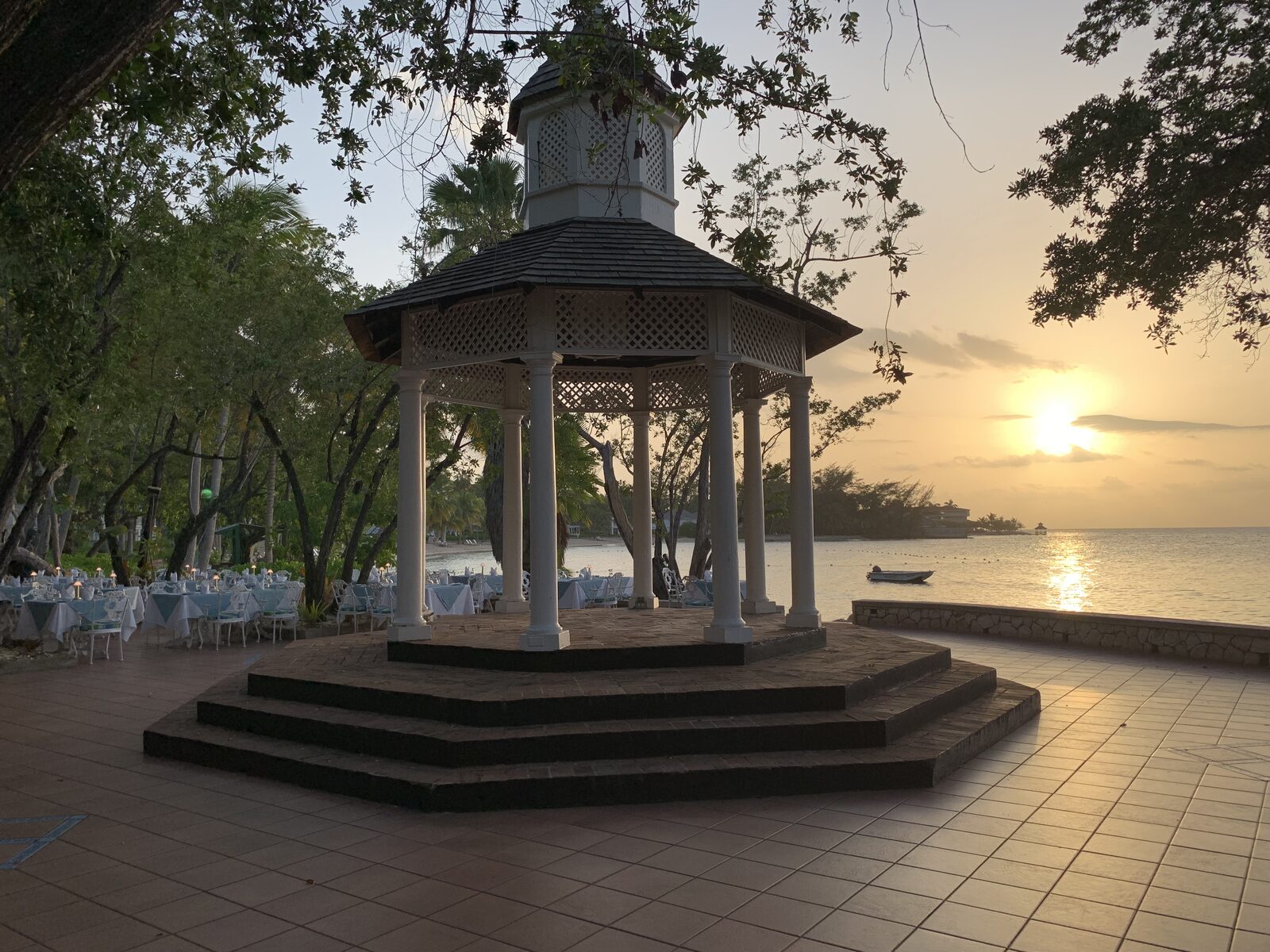
Second, pick the spot before the wedding day. The best post-ceremony vow locations are quiet, framed by something beautiful, and physically separate from where guests will be. On a beach resort, that's usually an isolated stretch of sand a short walk from the ceremony site, a private oceanfront gazebo, or a garden terrace with an ocean view. Do a walk-through with your planner or venue coordinator during the site visit and pick the specific spot — don't leave it to be decided on the wedding day.
Third, pick the right time. Sunset is soft, romantic, and photographs beautifully; it's my default recommendation for couples who want the film to look cinematic. If your reception starts before sunset, the golden-hour window immediately after ceremony recessional works well too. The point is to catch light that flatters the moment and doesn't fight the film.
Fourth, write ahead but don't over-rehearse. The couples whose vows land best are the ones who wrote drafts, edited them, and then read them out loud a couple of times before the trip — enough to know the rhythm, not enough to feel scripted. Leave a beat or two of space in the text for something you didn't plan to say. That's almost always the sentence you'll remember.
Fifth, keep it light. There are no rules for this. Some couples read from paper. Some read from their phone. Some memorize a line or two and speak the rest freely. Some make each other laugh through the whole thing. Some cry the whole way through. All of those are correct. The moment is yours.
What should you actually say in private post-ceremony vows?
This is where the pressure often creeps back in — couples worry they need to write a masterpiece. You don't. What works, based on the vow exchanges I've watched, is a short, specific, honest structure.
Open with a memory. The moment you knew. The night you realized. The specific detail — the coat they were wearing, the joke they made, the song that was playing — that anchors the whole thing in a real time and place. This is the sentence that makes a private vow different from a public one; you don't need to explain the context, because your person already knows it.
Move to gratitude. Not generic thankfulness — something specific about how they've shown up. The way they hold you when a certain hard thing happens. The quiet thing they do that no one else sees. This is the section your videographer will use under portrait footage; concrete details survive editing.
End with a promise. Not five promises — one or two, in your own words. Promises land harder when they're specific enough that only the two of you would recognize them. "I'll keep making you coffee the way you like it, even when we're old and tired," is a stronger vow than "I promise to always love you." Both are true. Only one is yours.
Length: aim for about ninety seconds to two minutes each when read aloud. Long enough to matter, short enough that your partner is still there with you and not counting how many minutes have passed.
Do post-ceremony vows work if you're already having a religious or legally-binding ceremony?
Yes — and honestly, this is where they shine. A church ceremony, a full Catholic mass, a Jewish ceremony under a chuppah, a legally-binding civil ceremony with a specific script the officiant is required to read — none of these leave a lot of room for personal words. The structure of the ceremony is already carrying the weight of the tradition.
Post-ceremony vows layer beautifully on top of that. The public ceremony does what it's designed to do — legal, religious, family-facing. The private vow moment afterward is where you get to say the sentences that don't fit the script. It's how a lot of my couples end up honoring both the tradition they were raised in and the specific, personal marriage they're actually building.
Some couples plan a symbolic ceremony at the destination (beautiful, personal, non-legal), get legally married quietly at home a week before, and still do a private vow exchange during the destination trip. That's three separate moments serving three separate purposes, and it works.
How do post-ceremony vows change what your photographer and videographer capture?
This is where couples end up most surprised. When your photo and video team knows there's a scheduled private vow window, the entire structure of the wedding film shifts, and almost always in a good direction.
For photography: the vow exchange becomes one of the strongest single portrait sessions of the day. Ten to fifteen minutes in beautiful light with one couple, no group choreography, no waiting on a family formal. Photographers love this window because it produces the most emotional frames — the laugh, the tear, the hand-hold, the forehead-press — and none of them are posed.
For video: it usually becomes the audio spine of the highlight film. A one-to-two minute vow read at sunset with clean audio (most videographers will mic you privately for this) gives an editor the voiceover they need to build a three-minute film around. Public ceremony audio, by contrast, is often noisy — wind on the mic, guests coughing, an officiant with a scripted opening. Private vow audio is clean.
Ask your videographer specifically if they can mic each of you separately for the vow exchange. Most professionals will say yes without hesitation; it's a standard ask. That single decision is the difference between a wedding film with a real emotional soundtrack and one that leans on music alone.
Are there any downsides to post-ceremony vows worth knowing about?
A few, and they're worth walking through honestly before you commit.
Family members occasionally miss hearing your vows. Parents, especially, sometimes expect to be in the audience when you read personal words. If that matters to your family, tell them ahead of time that the ceremony vows will be traditional and the personal ones are private — most families are relieved to know the day is being lightened, not confused by it.
You still need a ceremony script that stands on its own. Since you're skipping personal vows in the public ceremony, you'll want the officiant portion to have enough substance that guests don't feel the ceremony was thin. Readings, a short officiant reflection, a symbolic ritual (sand ceremony, unity candle, hand-fasting, ring warming) all work well here.
The timeline is real, not optional. Fifteen minutes doesn't sound like much until you try to squeeze it between a recessional, family formals, cocktail hour, and sunset. This is exactly why your photographer and planner need to know about it well before the day. A private vow window that isn't defended in the schedule gets absorbed by whatever runs long.
Shanna's Final Take
Modern wedding vow trends don't replace tradition — they add to it. Post-ceremony vows are, at their best, private, emotional, and real in a way that a very public ceremony sometimes can't be. They don't work for every couple; some of my couples specifically want the whole crowd to hear the words, and that's a beautiful choice too. But if you've ever thought, "I don't know if I can read this out loud without falling apart in front of my mom," this is the version of vows built for you.
The single decision that separates a great post-ceremony vow moment from an awkward one is planning it early enough for your photo and video team to build the day around it. Everything else — the spot, the light, the words — falls into place once the window is protected on the timeline.
If you're planning a destination wedding and you've been quietly wondering whether you have to read your personal vows out loud, you don't. Save the words for later in the day. When the guests are back at the reception, the sun is dropping, and it's just the two of you and one photographer at a respectful distance — that's when the moment you'll actually remember is going to happen.
Honest verdict
- Best for
- Couples who write deeply personal vows and don't want to read them in front of the crowd, couples having a religious or scripted legal ceremony that leaves no room for personal words, couples who care about their wedding film and want strong emotional audio to build it around, and anyone who freezes at the thought of speaking in front of thirty or more people. Also strong for destination weddings on the beach or in a garden where a quiet spot for a private vow exchange is easy to find.
- Not ideal for
- Couples who specifically want their family and closest friends to witness their personal words in real time. If reading vows in front of your loved ones is the emotional anchor of the whole day for you, don't move them offstage — that instinct is the right one to follow.
- What I'd choose instead
- A hybrid approach: keep two or three short public vows in the ceremony ("I promise to always choose you," "I promise to keep laughing with you," "I promise to build our life together") and save the longer, more specific vows for a private post-ceremony read. You get the family-facing moment and the private moment both, without asking the vows to do everything at once.
Frequently asked
What are post-ceremony vows at a destination wedding?
Post-ceremony vows are private personal vows that a couple exchanges alone, just the two of them, after the public ceremony is over. The ceremony itself stays traditional and short — welcome, readings, pronouncement, kiss — and then, usually before the reception starts, the couple slips away to a quiet spot with just their photographer or videographer to read the personal words they wrote for each other. It's a modern wedding trend I see growing quickly at destination weddings, where quiet beaches, gardens, and oceanfront terraces make it easy to find a beautiful, private setting.
Do post-ceremony vows replace traditional wedding vows?
No — they layer on top of them. The traditional or legally-required portion of the vows still happens during the ceremony, so the marriage is legally valid and the family-facing moment is preserved. What gets moved offstage are the deeply personal vows: the specific promises, the inside jokes, the sentences you'd rather not read into a microphone. Those get saved for a private exchange after the ceremony, which is why this format works especially well for couples having a religious ceremony, a legally-binding civil ceremony with a scripted format, or a family-heavy wedding where personal words feel too vulnerable for the crowd.
How long should private post-ceremony vows be?
About ninety seconds to two minutes each when read aloud, in my experience. That's long enough to include a memory, a piece of gratitude, and one or two specific promises, and short enough that your partner is fully present with you the whole time and not tracking the minutes. Write ahead, edit down, read your draft out loud twice before the trip so you know the rhythm, and leave a small amount of space for a sentence you didn't plan. That's almost always the line you'll remember afterward.
When during the wedding day should post-ceremony vows happen?
The sweet spot for most destination weddings is the golden-hour window right after ceremony recessional, before the couple joins cocktail hour or moves into reception. Sunset light is soft and cinematic, the ceremony emotion is still fresh, and your photo and video team can build the whole afternoon around the vow window. If your reception starts well before sunset, the window right before family formals or right before the couple enters the reception both work. The key is scheduling it into the timeline in advance — don't leave a fifteen-minute private moment to be improvised on the day.
Do you need to tell your photographer and videographer about post-ceremony vows in advance?
Yes, and it's the single most important step. Photographers and videographers plan the entire day around specific coverage windows, and a private vow exchange is its own window. When your photo and video team knows about it in advance, they schedule the family formals, cocktail hour candids, and portrait sessions around protecting those ten to fifteen minutes, they scout the exact spot with you before the ceremony, and — for video — they can mic each of you separately so the audio is clean enough to anchor the highlight film. Sprung on them the day-of, this moment usually still happens, but it's rushed and the film loses the audio that would have made it strongest.