What does travel protection actually cover for a destination wedding?
Most travel protection policies sold alongside destination-wedding bookings cover a similar core set of situations, though the specifics and dollar limits vary widely. Read the actual policy document — the one-page summary sheet is not the contract.
- Trip cancellation — reimburses prepaid, nonrefundable costs if you cancel for a covered reason before departure (illness, injury, death in the family, jury duty, and other listed events).
- Trip interruption — covers costs and rebooking if a covered event forces you to cut the trip short after arrival.
- Emergency medical and evacuation — the single most important coverage for international travel. U.S. health insurance often doesn't work abroad, and a medical evacuation flight home can cost more than the entire wedding.
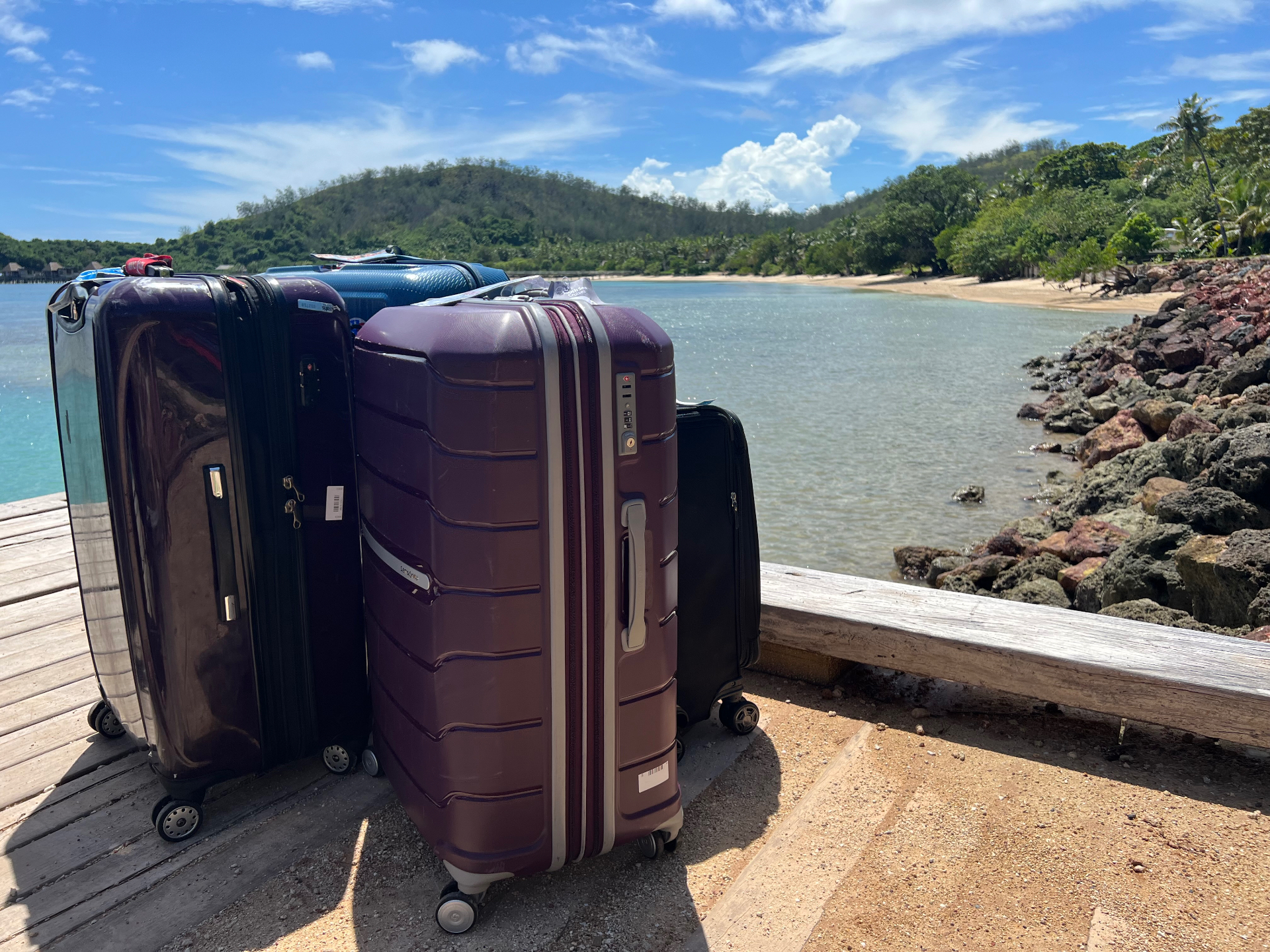
- Baggage delay and loss — reimburses essentials if your bags are delayed, and replacement costs if they're lost.
- Travel-supplier default — protects you if an airline or resort goes out of business between the deposit and the trip.
- Weather and named-storm coverage — some policies reimburse if a hurricane makes your destination inaccessible or forces resort closure. This clause varies enormously by policy and is worth reading word for word.
What does travel protection not cover?
The gap between what couples assume travel protection covers and what it actually covers is where most disappointment happens. A few common exclusions to know about:
- Change of heart — no standard policy reimburses you for calling off the wedding. 'Cancel for any reason' upgrades exist but typically reimburse only 50–75% and must be purchased within a short window of the first deposit.
- Vendor no-shows unrelated to travel — if your outside florist gets sick, that's usually a vendor contract issue, not a travel-protection claim.
- Pre-existing medical conditions — often excluded unless you buy the policy within a specified window (commonly 14–21 days of your first trip payment) and meet other conditions.
- Foreseeable events — if a hurricane is already a named storm before you buy the policy, it's typically excluded from that trip.
- Guest cancellations — the coverage protects the traveler who bought it. If a guest cancels, they file on their own policy — which is one reason we ask every guest to insure their own trip.
Cancel for Any Reason (CFAR) vs. Cancel for a Covered Reason
This is the piece of travel protection couples ask me about the most, and it's the one the marketing copy explains the worst. Here's the honest version.
A standard "cancel for a covered reason" policy and a "cancel for any reason" (CFAR) upgrade from the same provider usually share the same core benefits, limitations, and exclusions. The medical coverage, evacuation limits, baggage rules, and travel-supplier default protection are typically identical. The differences between them come down to two things: price and flexibility.
Price: CFAR costs more — often 40–50% more than the base policy. Flexibility: a covered-reason policy only pays out if your reason for canceling appears on the policy's list of covered events (illness, injury, death in the family, jury duty, and so on). CFAR pays out even for reasons that aren't on that list — including simply changing your mind, cold feet, a family disagreement, or deciding you don't want to fly.
Here's the piece I want you to understand clearly. If you cancel for a covered reason, both policy types typically reimburse 100% of your prepaid, nonrefundable costs. If you cancel for a reason that isn't covered, a standard policy pays out nothing — but CFAR still reimburses up to 75% of prepaid, nonrefundable costs. You're not left empty-handed. You're just not made whole.
So the real question CFAR answers isn't "do I want more coverage?" It's "how much am I willing to pay for the right to change my mind and still recover most of my money?" For a couple with a very large nonrefundable exposure or genuine uncertainty about the trip going forward, CFAR earns its price. For a couple who's confident about the wedding and the destination, a standard covered-reason policy usually does the job.
Why does travel protection matter more for a destination wedding than a regular vacation?
A regular vacation is easy to rebook. A destination wedding isn't. You've locked in a date months in advance, coordinated 40 to 80 people around it, put nonrefundable deposits down on flights, rooms, ceremony fees, decor, and vendors, and picked a location where hurricane season, illness, or a flight cancellation can genuinely derail the day.
The math changes at scale. When one person's nonrefundable deposit is $3,000 and you have 60 guests, the total exposure across the group is significant. Travel protection at roughly 5–10% of trip cost per person is a small line item measured against that risk — especially when the alternative is a family member losing thousands because they got sick five days before departure.

When is travel protection worth buying — and when isn't it?
Travel protection is worth it if your trip is largely nonrefundable (most destination weddings are), if you're traveling to a hurricane-prone destination during storm season, if any traveler in the party has health conditions or older parents flying in, or if the total trip cost is high enough that losing it would be a real problem. It's less essential if your trip is fully refundable up to a late date, if you're staying somewhere with reliable weather year-round, and if you're comfortable self-insuring against the small chance of a loss.
The one scenario where I always recommend it: any guest flying internationally who doesn't already carry robust travel medical coverage. A hospital stay abroad without coverage is a life-altering bill; a policy costs a fraction of that.
Travel protection: the gamble, the payoff, and the risk
The honest way to think about travel protection is as a timing bet with three possible outcomes. Which one you end up in is almost entirely a function of when — and whether — anything goes wrong.
- The gamble — you buy protection and cancel before final payment, when most deposits are still refundable. You've spent money on a policy you didn't end up needing. It stings, but it's the smallest of the three losses.
- The payoff — you buy protection and something happens after final payment, when the trip is fully nonrefundable. The policy earns its price back many times over by recovering costs you would otherwise have eaten entirely.
- The risk — you skip protection entirely and one emergency — a hospitalization, a hurricane, a death in the family, a canceled flight — wipes out your entire travel budget with no recourse.
This is a risk-versus-reward decision where timing is everything. The value of the policy goes up the closer you get to travel and the more of your trip becomes nonrefundable. Buying it early doesn't just get you access to CFAR upgrades and pre-existing condition waivers — it gets you covered during the exact months when your exposure grows fastest.
How do you shop for travel protection without getting oversold?
A few practical steps that separate a policy that actually helps from one that just sits on the credit card statement:
- Buy within the first 14–21 days after your first deposit. This is often the window for waivers on pre-existing conditions and for adding 'cancel for any reason' upgrades.
- Compare at least two policies. The resort-bundled option isn't always the best; independent travel-insurance marketplaces are useful for side-by-side comparison.
- Read the exclusions page, not the brochure. Every question you have is answered in the exclusions, not the marketing summary.
- Confirm coverage limits for medical evacuation. $250,000 or higher is standard for international destinations; anything less is worth a second look.
- Insure every trip individually. Group policies exist but are rare; in practice, each traveler buys their own policy tied to their own booking.
Real stories, real lessons
I don't recommend travel protection because it's a nice idea in theory. I recommend it because I've filed three of my own claims — and every one of them taught me something I couldn't have learned from reading a policy.
- Hawaii, cut short by a death in the family. We had to leave the trip early to get home. My policy reimbursed the portion of the stay we didn't use and, more importantly, the last-minute one-way return flights that cost several times what our original tickets did. Without protection, that combined loss would have been thousands of dollars.
- St. Lucia, delayed luggage. My bags didn't arrive with me. Under the baggage-delay benefit, I bought essentials — including a swimsuit and sandals so I could actually use the resort — and was reimbursed for all of it once I filed the claim with receipts. Small dollar amounts, but the coverage did exactly what it said it would.
- Costa Rica, canceled flight and $800 in ground transfers. My flight was canceled and I had to arrange private ground transportation to make the connection work. The transfers cost about $800. The claim was denied — because I hadn't "waited long enough" at the airport per the specific language of that policy's trip-delay clause. I did nothing wrong operationally; I just didn't know the fine print required a minimum wait time before alternate transportation was reimbursable.
The lesson from three real claims across three real trips: no two policies are alike, and the fine print is where the money is. Read the delay thresholds, the documentation requirements, the covered-reason list, and the exclusions — before you travel, not while you're standing at an airline counter trying to get home. The policy is only as good as the paragraph you didn't read.
Shanna's Final Take
I don't sell insurance and I have no incentive to push it, which is why I'll say this plainly: for the couple, travel protection is almost always worth buying. The dollar amounts involved, the number of people coordinating around your date, and the weather-sensitive locations most of us pick make the risk profile very different from a normal trip. For guests, I ask them to insure their own bookings, and I make sure they understand why before deposits are due. The couples who regret buying it are rare. The couples who regret not buying it are, unfortunately, not.
For more on how deposits and payments actually flow across the trip, see our guide to who pays for what at a destination wedding, and the destination wedding room block guide for how the group booking piece works.
Honest verdict
- Best for
- Couples with a largely nonrefundable trip, guests flying internationally, or any wedding scheduled during hurricane season — the risk-to-cost ratio is genuinely in your favor.
- Not ideal for
- Fully refundable trips where you're comfortable self-insuring, or couples who assume the policy covers everything and don't read the actual exclusions.
- What I'd choose instead
- If you don't want a full policy, at minimum confirm your credit card's built-in travel protections and buy standalone travel medical coverage for international trips.
Frequently asked
Does travel protection cover canceling the wedding?
Standard policies do not cover changing your mind. A 'cancel for any reason' upgrade may reimburse 50–75% of prepaid costs, but it must usually be purchased within 14–21 days of your first deposit and costs meaningfully more than a standard policy.
Will travel insurance cover a hurricane at our destination?
Many policies include named-storm coverage, but only if the storm was not already named at the time you purchased the policy. Read the weather clause word for word — this is the most misunderstood benefit.
Should each guest buy their own travel protection?
Yes. Each traveler files claims against their own policy tied to their own booking. Encourage guests to purchase within the first two weeks of their deposit for the widest coverage.
How much does travel protection typically cost?
Roughly 5–10% of the total trip cost per traveler, depending on age, destination, coverage limits, and any upgrades like 'cancel for any reason.'
Does my U.S. health insurance work at the destination?
Usually not, or only in a very limited way. Travel medical coverage — including emergency evacuation — is the single most important reason to buy travel protection for an international destination wedding.